Stay Cool in Hot Weather: Best Breathable Fabrics
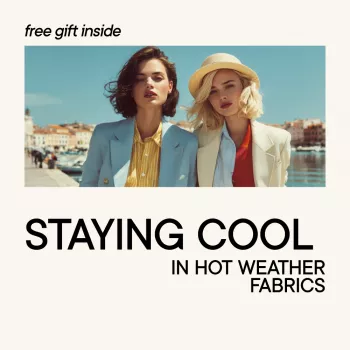
The Ultimate Guide to Staying Cool in Hot Weather Fabrics: Breathable Fabric Solutions for Hot Days
Hot, humid days can turn the wrong outfit into a portable heater. Comfort in summer comes down to how fabric handles heat, sweat, and airflow—plus smart garment choices like weave, weight, and fit. Below is a practical breakdown of what makes fabric feel cooler, which fibers and constructions work best, and simple outfit formulas for commuting, travel, workouts, and outdoor time.
What “cool” fabric actually means
“Cool” isn’t a single fabric category—it’s a combination of how a garment breathes, how it manages sweat, and how it sits on your skin.
- Breathability: how easily air passes through the fabric (often driven by weave/knit structure).
- Moisture management: whether fabric absorbs sweat (comfortable for some) or wicks and dries fast (better for activity).
- Thermal feel: some fibers and finishes simply feel cooler—or warmer—against skin at the same temperature.
- Weight and drape: lighter fabrics with room to move usually feel cooler than heavy, clingy ones.
- Color and sun exposure: dark colors absorb more radiant heat; loose coverage can protect from sun while still ventilating.
For health and safety during extreme heat, follow guidance on heat illness prevention from the CDC and detailed workplace heat-stress resources from NIOSH.
Best fibers for hot weather (and when to use them)
Fiber content matters, but it’s only half the story. The “right” fiber depends on whether you’re moving, how humid it is, and how close the fabric sits to the skin.
- Linen: highly breathable with a natural texture that holds fabric off skin; ideal for dry to humid heat, travel, and casual-to-smart outfits.
- Cotton (lightweight): comfortable and breathable; look for voile, poplin, seersucker, gauze, or lightweight jersey.
- Hemp: breathable and durable like linen with a slightly heavier hand; great for everyday wear and long-lasting basics.
- Rayon/viscose/lyocell (TENCEL™): soft drape and pleasant on skin; best in lighter weights and looser fits to avoid cling in humidity.
- Silk (lightweight): surprisingly capable in heat when woven airy; useful for evenings, workwear layers, and sun cover-ups.
Hot-weather fabric quick guide
| Fabric | Why it helps | Best for | Watch out for |
|---|---|---|---|
| Linen | Excellent airflow; doesn’t cling | Shirts, dresses, wide-leg pants | Wrinkles; can be sheer in very light weights |
| Lightweight cotton | Breathable, widely available | Tees, button-downs, underwear | Holds moisture longer than synthetics |
| Hemp | Breathable and sturdy | Shorts, pants, overshirts | Can feel coarse until washed/broken in |
| Lyocell/viscose | Cool hand-feel, fluid drape | Blouses, dresses, sleepwear | May feel clingy if tight; slower drying than performance fabrics |
| Performance polyester/nylon | Wicks and dries fast | Workouts, hikes, commute heat | Can trap heat if knit is dense; odor retention if untreated |
Weave, knit, and construction: the hidden factor
Two shirts can both say “100% cotton” and feel completely different in heat. Structure often beats fiber when it comes to airflow.
- Open weaves (gauze, loose weaves, mesh-like knits) let air pass through, which matters most when the weather is oppressive.
- Seersucker and crinkle textures reduce skin contact, easing that sticky feeling in humidity.
- Poplin and chambray tend to feel crisp and breathable; they’re often cooler than dense twills at the same fiber content.
- Jersey knit varies widely: look for lighter fabric weight and looser knits rather than thick, compact tees.
- Vent details (back yokes, side slits, underarm gussets) can outperform “better” fibers in poorly designed garments.
Moisture, sweat, and the cotton vs. performance debate
The best choice depends on intensity and how quickly you need fabric to dry.
- For low activity: breathable naturals (linen, lightweight cotton) often feel more comfortable and avoid that “plastic heat” sensation.
- For high activity: moisture-wicking synthetics (or merino blends) can keep skin drier by moving sweat outward for faster evaporation.
- In high humidity: evaporation slows down; prioritize airflow, loose fit, and fabrics that don’t cling when damp.
- Odor management: merino and some treated synthetics resist odor better than standard polyester; frequent washing and full drying also help.
- Chafing control: smooth knits, flat seams, and a slightly snug base layer can reduce friction during long walks.
Outfit formulas for hot days (by scenario)
Commute and office
Try a linen or light cotton button-down over a breathable undershirt, paired with relaxed chinos or wide-leg trousers. Keep a thin layer on hand for strong A/C without switching to heavy outerwear.
Errands and casual
Go for an airy tee in lightweight cotton and shorts with room at the thigh. Elastic waists, pleats, and slightly wider legs can improve ventilation more than going shorter.
Outdoor sun time
Travel
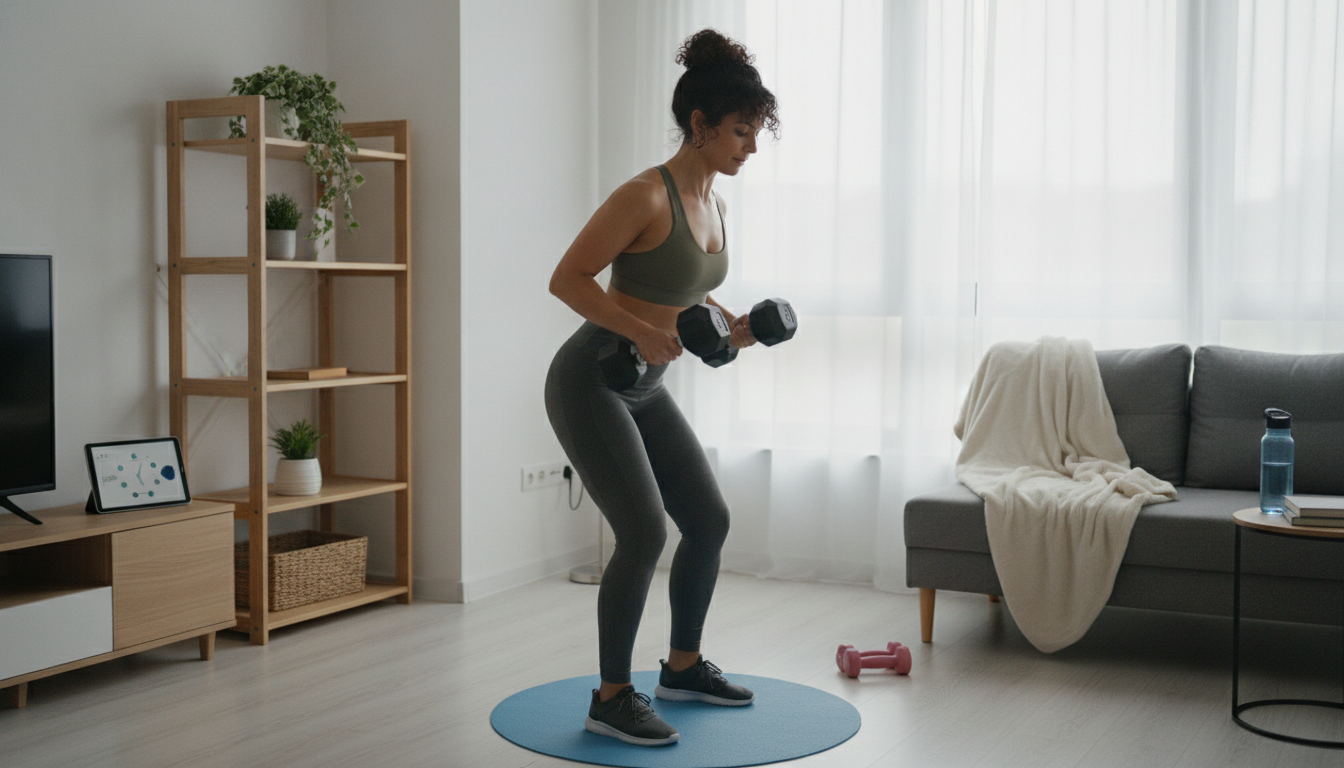
Workouts
How to read labels and shop smarter
Breathable fabric solutions you can use immediately
Recommended guides to help you upgrade your warm-weather routine
- The Ultimate Guide to Staying Cool in Hot Weather Fabrics: Breathable Fabric Solutions for Hot Days ($21.99)
- Odor-Free Shoes Checklist | Easy Guide on How to Remove Odor from Shoes Naturally | Printable Shoe Care Checklist ($4.99)
FAQ
What fabric is best for very hot and humid weather?
Prioritize airflow first: loose linen, lightweight cotton (like gauze or seersucker), and open constructions usually feel best when humidity is high. For high-activity days, a lightweight wicking top can help keep skin drier, especially if the knit isn’t dense.
Is linen cooler than cotton?
Linen often feels cooler because its texture helps it stand off the skin and it typically comes in airy weaves. Lightweight cotton can be just as comfortable when it’s in a breathable construction (like voile, poplin, or gauze) and cut with room to move.
Do moisture-wicking fabrics actually keep you cooler?
They can help by moving sweat away from your skin so it evaporates faster during activity, which supports cooling. In very humid weather or in thick, tight knits, they may still feel warm—ventilation and fit remain the deciding factors.










Leave a comment