AI Sleep Schedule: Sleep Better Starting Tonight
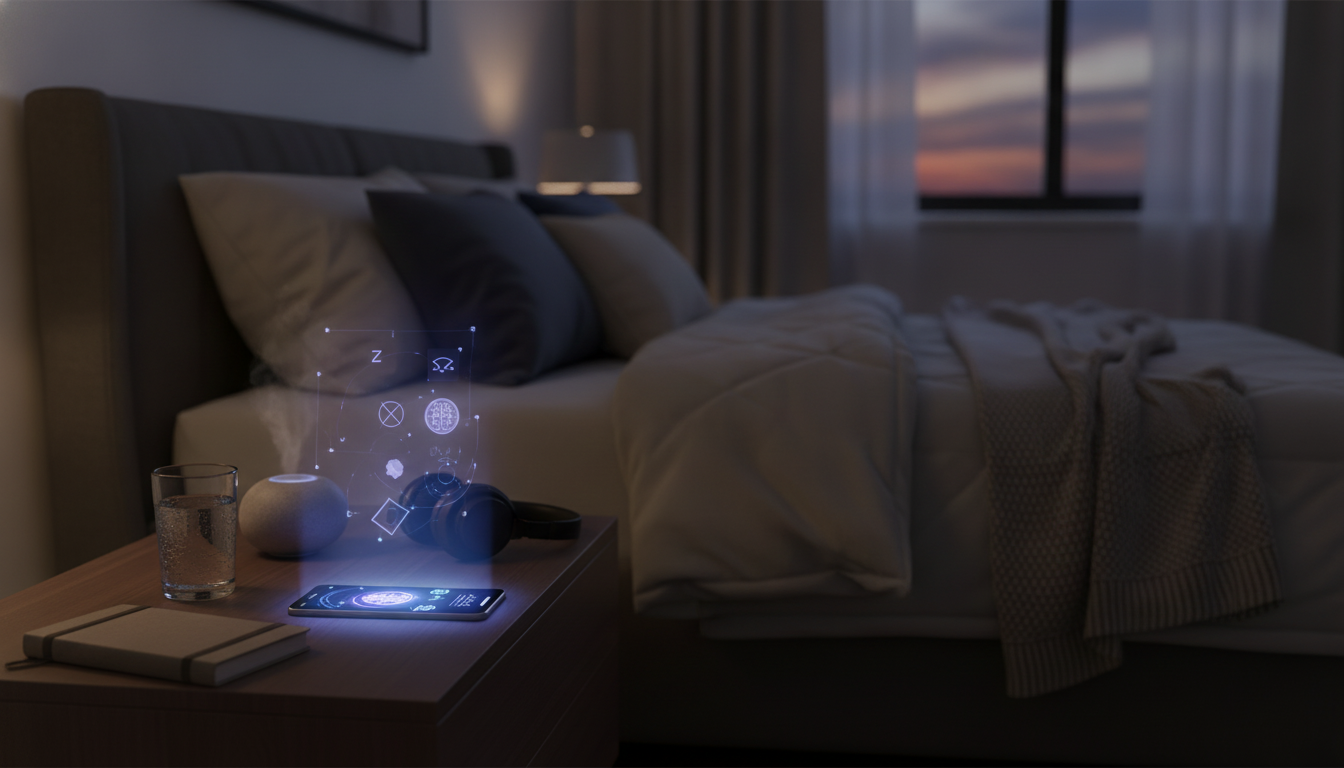
Sleep Better Starting Tonight: An AI-Guided Schedule for Rest, Energy, and Health
Better sleep often comes down to timing, consistency, and small environmental changes that fit real life. An AI-guided sleep schedule can remove guesswork by translating your wake time, lifestyle constraints, and sleep needs into a plan you can follow starting tonight—complete with clear targets for bedtime, wind-down, and light exposure. If you’re aiming for steadier energy, fewer “wired but tired” nights, and mornings that feel less brutal, the most effective place to begin is your schedule.
Why sleep timing matters more than willpower
Sleep isn’t only about trying harder to fall asleep. It’s shaped by two powerful forces: your circadian rhythm (your internal body clock) and sleep pressure (how long you’ve been awake). Environmental cues—especially light, temperature, and routine—help set both.
When bedtimes and wake times swing around, the result can feel like low-grade travel across time zones. This is often called “social jet lag”: the mismatch between your weekday schedule and your weekend or late-night habits. Even if you log enough total hours, irregular timing can make it harder to fall asleep quickly, stay asleep, and wake up feeling clear.
A schedule that aligns wake time, bedtime, and morning light tends to improve sleep onset, sleep continuity, and daytime alertness. The key is consistency with small adjustments. Big bedtime leaps (for example, going from 1:00 a.m. to 10:00 p.m. overnight) often backfire because your brain and body aren’t ready to sleep yet—so you end up lying awake and associating bed with frustration.
What an AI sleep schedule app and digital guide can do
Sleep scheduling becomes much easier when the plan is built around your real constraints. A good AI-guided approach starts with a target wake time and works backward into a realistic bedtime window—then it helps you shift in small, sustainable steps.
- Turns a target wake time into a workable bedtime range based on your sleep duration needs and current habits.
- Suggests step-by-step shifts (often 15–30 minutes earlier every few nights) instead of abrupt changes.
- Builds a wind-down routine with reminders for screens, caffeine cutoff, and a consistent pre-sleep sequence.
- Adapts when life happens—late nights, travel, early workouts, or rotating shifts—without scrapping the whole plan.
- Pairs schedule guidance with practical education so each change has a clear purpose.
Common sleep schedule problems and targeted fixes
| Challenge | What it feels like | Schedule-based adjustment | Helpful habit cue |
|---|---|---|---|
| Can’t fall asleep at bedtime | Tired but wired, long sleep onset | Delay bedtime slightly for 2–3 nights, then move earlier gradually | Dim lights 60–90 minutes before bed |
| Waking up groggy | Alarm feels brutal, slow start | Keep wake time fixed; shift bedtime by 15–20 minutes earlier | Morning outdoor light within 30 minutes of waking |
| Waking at 3 a.m. | Middle-of-night alertness | Avoid spending extra time in bed; stabilize bedtime/wake time | Limit alcohol late; keep bedroom cool and dark |
| Weekend sleep-in resets progress | Monday feels like jet lag | Cap weekend sleep-in to 60–90 minutes | Plan a consistent Sunday wind-down |
A practical plan to start tonight
The fastest way to stabilize sleep is to anchor tomorrow morning first. Pick a wake time you can actually keep, then build tonight around it.
If you want a guided structure that’s easy to follow night-to-night, Sleep Better Starting Tonight | AI App for Ideal Sleep Schedule | Digital Guide for Rest, Energy, and Health focuses on small shifts you can start immediately—without expecting perfection on day one.
Light, screens, and the two switches that set your clock
For baseline sleep health guidance, see CDC: Sleep and Sleep Disorders and NHLBI: Healthy Sleep.
Using the digital guide to personalize an ideal schedule
If stress or anxiety is making wind-down feel impossible, pairing a schedule with calming skills can help. Finding Your Calm Again – Stress Management Guide, Anxiety Relief eBook, Mindfulness & Emotional Balance Digital Download is a practical companion for building a calmer pre-sleep runway.
When to get extra support
Sleep Better Starting Tonight: AI App for Ideal Sleep Schedule
For a low-friction, start-now approach, Sleep Better Starting Tonight | AI App for Ideal Sleep Schedule | Digital Guide for Rest, Energy, and Health is designed to translate a desired wake time into a doable bedtime plan with gentle shifts and clear routine cues. It’s especially useful for inconsistent schedules, late-night screen habits, and anyone who needs structure without turning sleep into a stressful project.
If you enjoy building a “bedtime environment” that feels comforting and consistent, some people also like to optimize comfort basics (temperature, layers, and fabrics). For a quick education on fibers and warmth regulation, Wool Wonders: Merino, Cashmere & Lambswool Demystified – Your Ultimate Guide to Wool Types can help you make smarter choices for sleep-friendly textiles.
FAQ
How fast can a sleep schedule be shifted without feeling worse?
Aim for gradual shifts of about 15–30 minutes every few nights while keeping wake time consistent. Abrupt changes often increase insomnia at night and grogginess in the morning.
What if falling asleep earlier is impossible even when tired?
That usually means your circadian timing isn’t ready yet, even if you feel fatigued. Try tightening wake time, getting bright morning light, reducing evening light/screens, and if needed briefly delaying bedtime for a couple nights before shifting earlier in small steps.
Is it better to catch up on sleep on weekends or keep the same wake time?
Keeping the same wake time tends to protect your body clock and makes Monday easier. If you need extra rest, limit sleeping in to 60–90 minutes and consider a short early-afternoon nap instead of a long morning extension.











Leave a comment