Kid-Safe Pet Rules That Build Responsibility and Empathy
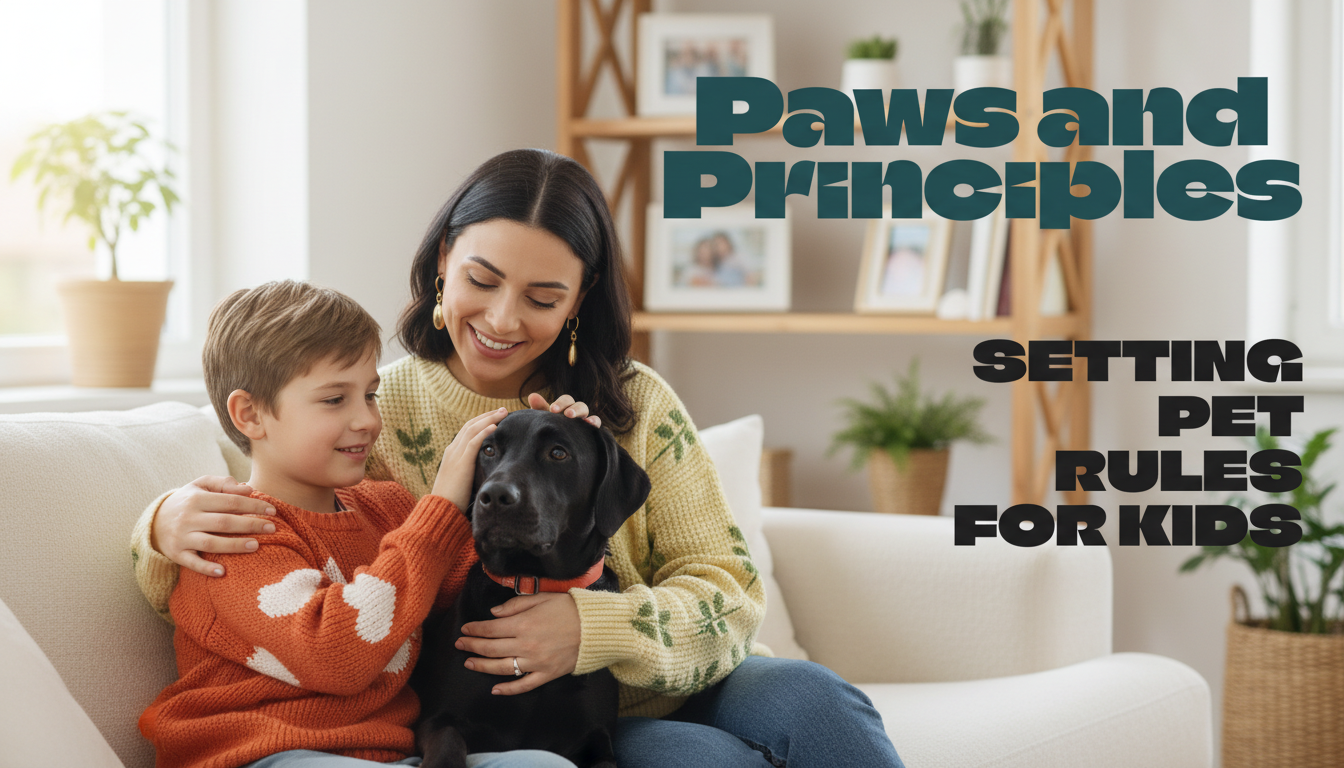
Why pet rules matter for kids (and for the pet)
Pet rules aren’t about making home feel strict—they’re about making daily life predictable. When kids know exactly what’s allowed, they can succeed without constant corrections. And when pets can count on consistent handling, feeding, and rest, they’re less likely to feel stressed or defensive.
- Rules protect the animal’s comfort and health: predictable handling, rest time, and safe feeding help prevent stress behaviors.
- Rules protect kids: fewer bites and scratches, better hygiene, and fewer risky interactions around food, sleep, or startled pets.
- Rules protect family harmony: fewer arguments about chores, fewer “forgotten” tasks, and less resentment about who does what.
- Consistency builds trust: kids learn that care is non-negotiable, while pets learn the household is safe and predictable.
For pediatric and health basics around kids and animals, the American Academy of Pediatrics and the CDC Healthy Pets, Healthy People guidance are helpful references for families.
Start with non-negotiables: the “always” and “never” list
Start small and crystal-clear. “Always” and “never” rules reduce gray areas—the biggest cause of daily power struggles.
- Always ask before picking up, hugging, or approaching a resting pet; no surprises from behind.
- Never disturb a pet that is eating, sleeping, hiding, or caring for babies; those are guaranteed “quiet zones.”
- Hands are for gentle touches only: no ear pulling, riding, chasing, teasing with toys, or “testing” reactions.
- Food rules: kids never feed human snacks without permission; pet diet changes are adult-only.
- Door and gate rules: one person assigned to check latches to prevent escapes during busy moments.
Family pet rule quick-start list
| Rule | Why it matters | How to teach it |
|---|---|---|
| Let the pet approach first | Reduces fear and defensive reactions | Practice “stand still, hands low” greeting |
| No petting during meals | Prevents guarding and bites | Create a 3-foot “food bubble” around bowls |
| Respect the safe space (crate/bed) | Gives the pet recovery time | Add a sign: “Quiet Zone—Do Not Enter” |
| Wash hands after handling | Supports hygiene and allergy control | Place soap reminder near sink and use a 20-second timer |
| Toys stay in toy zone | Prevents chewing hazards and clutter | Use a bin and a 2-minute nightly reset |
Age-appropriate responsibilities (so kids can succeed)
Responsibilities work best when they fit real-life development, not just a number. A child who’s bright but impulsive may do better with “helper roles” first—then move into “owner roles” once routines are automatic.
- Match tasks to development: attention span, impulse control, and confidence vary by child.
- Start with helper roles: kids practice consistency while an adult remains accountable.
- Use routines over reminders: attach tasks to daily anchors (after breakfast, before screen time, after dinner).
- Keep week one small: one care task + one empathy habit (like noticing body language).
Kid-friendly pet responsibilities by age band
| Age band | Tasks kids can do | Adult role | Empathy skill to practice |
|---|---|---|---|
| 3–5 | Refill water with a small pitcher, put toys in bin, “quiet voice” near the pet | Hands-on supervision; model gentle touch | Name the pet’s feelings: calm/scared/needs space |
| 6–8 | Measure pre-portioned food, help with brushing, read a short “care checklist” | Double-check portions; guide handling | Spot stress signs: tail tucked, hiding, stiff body |
| 9–12 | Prepare enrichment (snuffle mat, puzzle feeder), assist with training cues, track simple schedule | Monitor safety; ensure follow-through | Connect actions to outcomes: rest, comfort, trust |
| 13–17 | Lead routine walks (where appropriate), grooming, training plan, budget basics for supplies | Set boundaries and safety rules; verify completion | Advocacy: speak up when the pet needs a break |
Teach empathy through pet body language
Empathy becomes practical when kids can “read the room” and adjust. Use a simple color system that anyone can remember:
Build a household habit of “consent checks”: pet for three seconds, pause, and watch. If the pet leans in or re-engages, continue. If the pet turns away, stiffens, or walks off, stop—no debate. For bite-prevention basics, the ASPCA dog bite prevention overview is a solid family-friendly resource.
Make rules stick: a family pet agreement
Pet agreement template (copy and fill in)
| Category | Our rule | Who does it | When | How it’s checked |
|---|---|---|---|---|
| Safety | No bothering during meals or sleep | Everyone | Always | Adult ends interaction immediately if broken |
| Care | Water bowl refreshed | Child A (primary), Adult (backup) | After breakfast | Quick check before school |
| Enrichment | 10 minutes of calm play/training | Child B | After homework | Timer + note on checklist |
| Hygiene | Handwashing after pet contact | Everyone | After play | Sink sign + routine |
Common challenges and calm fixes
A simple routine for responsibility that doesn’t overwhelm
Recommended digital guides for families
- Paws and Principles: Setting Pet Rules for Kids with Confidence | Family eBook Guide for Setting Pet Rules for Children, Teaching Responsibility & Empathy (Digital eBook, $17.99)
- The Real Cost of Pet Adoption | Ebook Guide – Pet Adoption Costs Explained for New & Future Pet Parents (Digital eBook, $23.99)
- Gentle Curiosity, Safe Homes – Ebook Guide for Child Safety With Exotic Pets | Family Safety, Responsible Ownership, Home Habits (Digital eBook, $19.99)
FAQ
What are the most important pet rules for young kids?
Keep it short and repeatable: gentle touch only, no bothering pets while eating or sleeping, ask before picking up, respect the pet’s safe space, and wash hands after handling.
How can kids learn responsibility with a pet without the parent doing everything?
Choose one age-appropriate task, tie it to a daily anchor (like after breakfast), and add a quick adult check. Expand responsibilities only after the first task becomes automatic.
What should kids do if a pet growls, hisses, or tries to hide?
End the interaction immediately and give the pet space—treat it as communication, not misbehavior. Review what triggered it, reinforce quiet zones, and seek professional help if it keeps happening.










Leave a comment