Perfect Cat Space at Home: Setup for Calm & Play
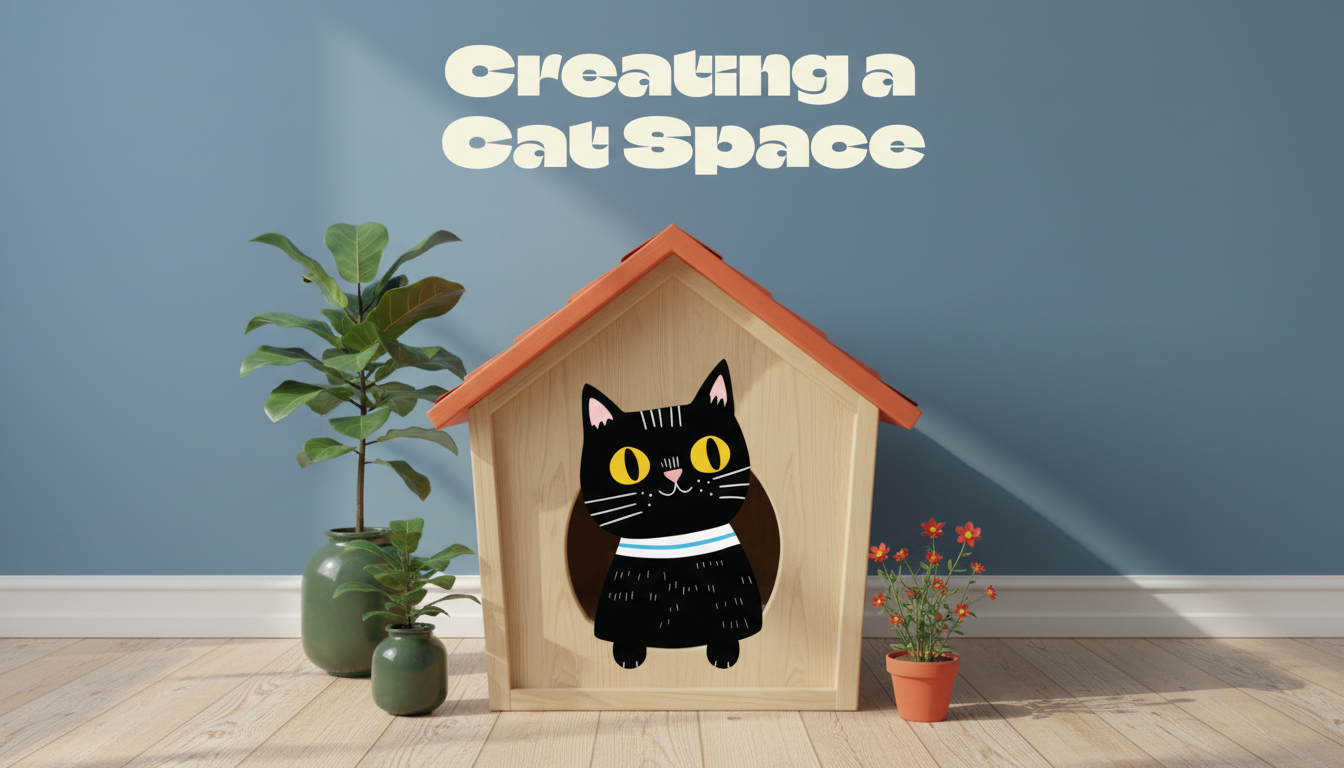
Creating a Perfect Cat Space at Home: A Step-by-Step Setup for Comfort and Enrichment
A well-designed cat area supports calm, confidence, play, and healthy routines. The goal is to meet core feline needs—safety, height, scratching, predictable resources, and opportunities to hunt and explore—using the space already available at home. This step-by-step plan helps map a cat-friendly zone, choose the right features, and keep everything easy to maintain.
Start with what cats need most
A “perfect” cat space isn’t about having a huge room—it’s about meeting instincts in a way that feels safe and consistent.
- Safety and control: Provide hiding spots, elevated perches, and predictable pathways so your cat can observe without being approached.
- Separation of resources: Keep litter, food, water, rest, and play areas from competing with each other when possible.
- Vertical territory: Add height through shelves, trees, window perches, or sturdy furniture access to increase usable space without increasing floor clutter.
- Scratch-and-stretch outlets: Include horizontal and vertical scratchers near rest areas and near social hubs to reduce furniture scratching.
- Choice and variety: Offer more than one resting spot and at least two “routes” through the area to reduce cornering and stress.
If you’d like a printable, room-by-room planning approach, the Creating a Perfect Cat Space (digital guide) is a quick way to turn these needs into a repeatable setup you can adjust over time.
Pick the best location for the cat area
Most homes do best with two zones: a quieter “core” for sleep and litter, plus a secondary “social” spot where your cat can hang out near everyday life.
- Choose a low-traffic zone for the core setup (sleeping + litter), and a secondary social zone (perch + toys) near where people spend time.
- Avoid loud appliances, slamming doors, and tight hallways that force contact with other pets or children.
- Prioritize natural light and a window view for passive enrichment; add a bird feeder outside only if it won’t trigger frustration in your cat.
- Plan for easy cleaning: smooth floors, nearby trash access, and enough space to scoop litter without moving furniture.
For deeper environmental guidance and enrichment ideas, two reliable references are the American Association of Feline Practitioners (AAFP) and International Cat Care (iCatCare).
Build the core setup in 60 minutes (step by step)
This is designed for real-life spaces—apartments, spare corners, and multipurpose rooms—without needing a full redesign.
Step 1 — Define the boundaries
Mark a small zone (even 4–6 ft wide) that stays consistent and is not frequently rearranged. Consistency matters, especially for shy or sensitive cats.
Step 2 — Place the litter box first
Choose a quiet corner with a clear entry/exit. Keep it away from food and water so your cat doesn’t have to choose between comfort and basic needs.
Step 3 — Add a secure resting spot
Use a covered bed, a box with a blanket, or a cat cave positioned so your cat can see the room without being in the center of it. A wall-backed placement often feels safer than an exposed middle-of-the-room spot.
Step 4 — Add a vertical option
Pick a stable cat tree, shelf, or window perch that supports lounging and observation. A “lookout” reduces stress because it gives your cat information: who’s coming, what’s happening, and when.
Step 5 — Add scratching
Place one vertical and one horizontal scratcher, starting near the resting spot and near the main walkway. Cats often scratch after waking and when transitioning between rooms.
Step 6 — Set food and water thoughtfully
Place water away from food when possible. Use wide, shallow bowls to reduce whisker stress and keep the area free of strong odors (including litter).
Step 7 — Add enrichment rotation
Step 8 — Make it predictable
Equipment checklist and where it fits best
Quick checklist for a balanced cat space
| Element | Minimum to start | Ideal placement | Comfort/enrichment benefit |
|---|---|---|---|
| Litter box + scoop | 1 box per cat + 1 extra (when possible) | Quiet, accessible, away from food | Predictable elimination, reduced stress |
| Covered hide or bed | 1 | Against a wall or in a corner with a view | Security and restorative rest |
| Vertical perch | 1 | Near a window or along a main room edge | Confidence, observation, more territory |
| Scratcher (vertical) | 1 | Near sleeping area or social room | Stretching, marking, healthy claws |
| Scratcher (horizontal) | 1 | Near common pathways | Alternative texture and posture options |
| Water station | 1 | Away from litter; optionally away from food | Hydration support |
| Toy set (rotation) | 3–5 out at once | Stored nearby for quick play sessions | Hunting outlets, reduced boredom |
Enrichment that doesn’t add clutter
Common setup mistakes and quick fixes
Make it work for kittens, seniors, and multi-cat homes
And since a calm home setup pairs well with low-stress healthcare routines, Vet Visits Made Simple can help organize carrier training, appointment prep, and follow-ups—especially useful for cats who get overwhelmed by changes.
A simple maintenance routine that keeps the space inviting
FAQ
How much space is needed for a dedicated cat area?
Even a small corner can work if it includes a hide, a scratcher, and a perch. Using vertical space (a tree, shelves, or a window perch) expands your cat’s territory without needing an extra room.
Where should the litter box go in a small home or apartment?
Choose a quiet, accessible location away from food and water, and avoid dead-ends so your cat has an easy exit route. Prioritize spots that are simple to scoop daily and help with odor control.
How can a cat space be set up for two cats without conflict?
Duplicate key resources (especially litter boxes, perches, and scratchers), and create multiple pathways so one cat can’t block the other. Add vertical separation and adjust zones based on body language and comfort.











Leave a comment