Haircare Myths Debunked: Build a Healthy Hair Routine
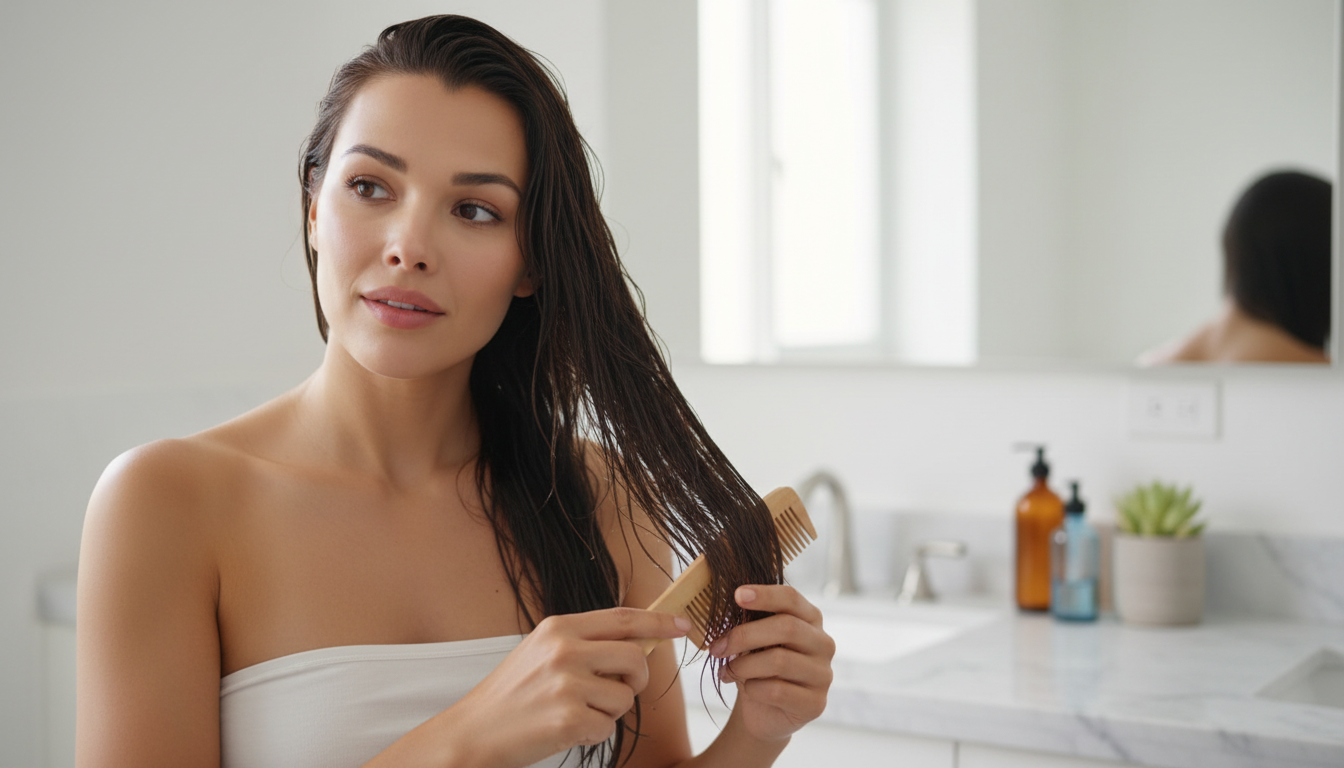
Haircare Unplugged: Debunking the Myths – Your Ultimate Guide to Unlocking Healthy Hair
Healthy hair is less about miracle hacks and more about understanding scalp biology, hair structure, and realistic routines. When you separate what’s happening at the scalp from what’s happening along the hair strand, it becomes easier to pick products that fit your needs, reduce damage triggers, and keep progress steady instead of cyclical.
If you want a deeper, step-by-step breakdown of routines and common misconceptions, see Haircare Unplugged: Debunking the Myths – Your Ultimate Guide to Unlocking Healthy Hair.
What “healthy hair” actually means
“Healthy hair” is really two related goals: strong, smooth hair strands and a comfortable, balanced scalp. Hair strands are “dead” keratin fibers, so most improvement comes from protecting the cuticle (the outer layer) and minimizing breakage—not “reviving” hair back to a brand-new state.
- Hair strand health: cuticle integrity, elasticity (stretch and return), fewer split ends, and less breakage during detangling or styling.
- Scalp health: stable oil balance, minimal irritation/inflammation, and reduced flaking or itch.
Realistic expectations matter. Growth rate is largely genetic and influenced by overall health, but many “growth wins” are actually length retention: less snapping, fewer split ends traveling upward, and fewer setbacks from irritation. Visible markers you can track include manageable tangling, consistent softness, fewer split ends, and a scalp that feels calm (not tight, stingy, or itchy).
Myths that keep hair stuck in a damage cycle
Plenty of popular advice sounds harmless, but it can push hair into a loop of dryness, buildup, and breakage. Here are the myths that most often derail progress.
- Myth: Frequent trims make hair grow faster. Reality: trims don’t change follicle growth, but they prevent split ends from traveling, which preserves length over time.
- Myth: You can “repair” split ends permanently. Reality: most products temporarily smooth and protect; the true fix is trimming plus preventing new splits.
- Myth: More foam means cleaner hair. Reality: lather depends on surfactants and formula design; cleansing performance depends on whether it matches your oil level and buildup.
- Myth: Natural oils always moisturize hair. Reality: oils reduce water loss and add slip, but they don’t replace water-based hydration or conditioning agents.
- Myth: Brushing 100 strokes boosts shine. Reality: excessive brushing can cause frizz and breakage; shine comes from a smooth cuticle and balanced conditioning.
- Myth: Cold water “seals” the cuticle like a door. Reality: temperature can change feel and rinsing, but cuticle smoothing mainly comes from conditioners, film-formers, and reduced friction.
Build the core routine: cleanse, condition, protect
A reliable routine is simple, but it’s specific: cleanse for your scalp, condition for your lengths, and protect against the major sources of damage (heat, friction, UV, and chemical stress).
Cleansing (scalp-first)
Choose shampoo based on scalp needs—oily, dry, sensitive, or flaky—rather than only hair length. Focus shampoo on the scalp, massage gently (no aggressive scratching), then let suds rinse through the ends to avoid unnecessary roughing of the cuticle.
Conditioning (length-first)
Apply conditioner from mid-lengths to ends and prioritize slip so detangling causes less snapping. Fine hair often does better with lighter conditioners or less application time, while coarse/curly hair frequently needs richer conditioning and longer saturation to feel pliable.
Protection (the difference-maker)
Heat styling, UV exposure, chlorine, and friction are major drivers of dullness, frizz, and breakage. Use a heat protectant, limit high-temperature passes, rinse hair after swimming, and consider protective styles when you’ll be exposed to wind or rubbing (hoods, scarves, backpacks).
Detangling and drying rules
| Goal | What to prioritize | Common mistake to avoid |
|---|---|---|
| Less breakage | Conditioning slip, gentle detangling, reduced heat | Over-brushing or detangling dry hair |
| Less oiliness | Scalp-focused shampooing, adequate rinsing, lighter conditioners | Using heavy oils at the scalp |
| More definition (waves/curls) | Moisture + hold balance, minimal friction, diffusing technique | Over-cleansing or brushing out curl clumps |
| Less frizz | Cuticle-smoothing conditioners, humidity-aware styling, satin/silk at night | High heat without protectant |
Hair type, porosity, and density: quick ways to tailor care
Scalp-first troubleshooting: flakes, itch, shedding, and buildup
For general guidance on scalp and hair basics, visit the American Academy of Dermatology Association. For medical context around hair loss patterns and causes, see MedlinePlus: Hair loss.
Habits that quietly sabotage progress
- Heat habits: repeated high heat without protectant compounds cuticle damage. A slightly lower temperature with fewer passes is usually kinder than occasional extreme heat.
- Mechanical damage: tight elastics, rough towel-drying, and sleeping on abrasive fabrics increase breakage and frizz. Looser styles and smoother night fabrics can make a visible difference.
- Chemical services: bleaching and frequent coloring require a more conservative heat routine and stronger conditioning strategy to offset increased porosity and fragility.
- Lifestyle factors: stress, sleep disruption, and nutrition gaps can influence shedding and scalp comfort. If stress is a major factor, Finding Your Calm Again – Stress Management Guide can help build habits that support consistency.
A myth-busting roadmap to healthier hair
FAQ
How often should hair be washed?
Wash based on scalp oiliness, sweat/activity level, and buildup—not a rigid schedule. Many oily scalps do well washing every 1–2 days, while drier or curlier hair may stay comfortable with fewer washes as long as the scalp feels clean and calm.
Do hair oils moisturize hair?
Oils mainly act as sealants and softeners: they reduce water loss and add slip, but they don’t replace water-based hydration or conditioning. If your scalp is acne-prone or easily irritated, keep heavy oils off the scalp and focus them on mid-lengths to ends.
What’s the difference between hair shedding and breakage?
Shedding usually releases a full-length strand with a tiny bulb at one end, while breakage looks like shorter snapped pieces with rough ends. Sudden, heavy shedding or patchy loss warrants a dermatologist visit, while breakage often improves with gentler detangling, better conditioning slip, and lower heat.








Leave a comment