Calm Pet Birds at Home: Feeding, Routines & Stress Relief
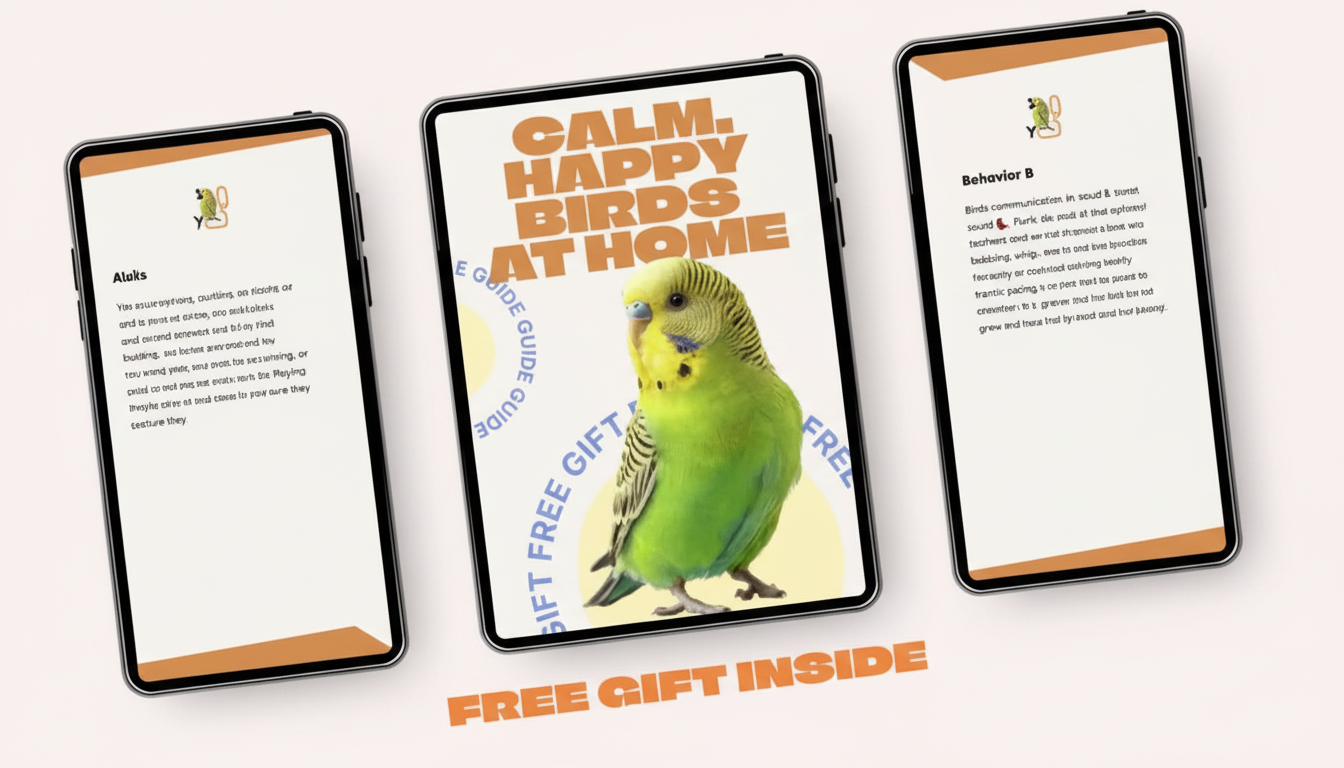
Calm, Happy Birds at Home: Practical Care for Behavior, Feeding, and Stress-Free Living
A relaxed bird is more likely to eat well, vocalize appropriately, and enjoy handling. The foundation is rarely one “magic” trick—it’s the everyday basics that shape calm behavior: a safe setup, predictable routines, balanced feeding, enrichment that prevents boredom, and noticing early stress signals before they spiral. When home life feels steady and readable, most birds become easier to live with and more confident companions.
Start With the Right Home Setup
Your bird’s cage is their home base, and small setup choices can reduce startle responses and defensive behavior.
- Place the cage in a bright, draft-free area near normal household activity, but not in the center of constant traffic or next to the kitchen.
- Choose bar spacing appropriate to your species to prevent head entrapment; prioritize sturdy doors and secure latches.
- Provide multiple perches with different diameters and textures (natural wood, rope, platform) to reduce foot pressure points.
- Add a simple “retreat” zone: one high perch and a partial visual barrier so your bird can rest without feeling cornered.
- Keep the environment stable: avoid sudden furniture changes near the cage, loud appliances right beside it, and frequent rearranging of perches.
Home Setup Checklist for a Calmer Bird
| Area | What to include | Why it helps |
|---|---|---|
| Cage location | Natural light, steady temperature, away from fumes | Supports routine and reduces startle responses |
| Perches | 3–5 options, varied diameters/textures | Improves comfort and reduces irritability from sore feet |
| Food & water stations | Separated bowls; easy-to-clean placement | Encourages normal eating and lowers conflict/guarding |
| Enrichment | Rotate toys, add foraging opportunities | Prevents boredom-driven screaming or feather damage |
| Sleep routine | 10–12 hours of darkness/quiet | Stabilizes mood and hormone-related behaviors |
Daily Rhythm: The Calm Routine That Prevents Problem Behaviors
Birds thrive on patterns. A predictable day reduces uncertainty, which often shows up as screaming, nipping, or frantic pacing.
- Use consistent timing for wake-up, feeding, out-of-cage time, training, and bedtime.
- Keep handling sessions short and positive; end before the bird becomes overstimulated.
- Use predictable cues (a phrase or gentle sound) before opening the cage, changing bowls, or offering a hand.
- Build “quiet wins”: reward calm body language (relaxed feathers, soft eyes, gentle chirps) with attention or a favorite treat.
- Plan a decompression window after visitors, vacuuming, or loud events—dim lights slightly and offer foraging instead of extra handling.
If your bird tends to escalate in the late afternoon or early evening, shift the schedule: offer a foraging activity before the usual “witching hour,” then keep the rest of the evening low-key with quieter interaction.
Feeding Basics That Support Mood and Health
Diet affects energy, sleep, and even how resilient a bird feels during change. Balanced feeding also reduces food guarding and frantic begging.
- Base the diet on a quality pellet appropriate to species; use fresh foods as daily variety rather than a rare treat.
- Offer vegetables first when appetite is strongest; add fruit in smaller portions due to sugar content.
- Use seeds and nuts strategically for training and enrichment, not as the main diet (especially for species prone to fatty liver).
- Introduce changes slowly over 2–4 weeks to avoid food refusal; monitor droppings and weight during transitions.
- Provide fresh water daily and wash bowls with hot soapy water; residues can affect taste and intake.
Simple Feeding Plan (Adjust by Species and Vet Guidance)
| Food type | How often | Best use |
|---|---|---|
| Pellets | Daily staple | Reliable nutrition and easier portion control |
| Vegetables | Daily | Fiber, micronutrients, beak enrichment through chewing |
| Fruit | Several times per week (small portions) | High-value variety; keep modest |
| Seeds/nuts | Small amounts | Training rewards and foraging motivation |
| Safe grains/legumes | A few times per week | Extra energy and texture variety |
Understanding Bird Body Language at Home
Reading body language prevents bites and builds trust because the bird learns you’ll listen. Many “behavior problems” start as missed warning signs.
Stress-Free Enrichment: Foraging, Play, and Training
Common Home Stressors and How to Reduce Them
For safety basics and hazard awareness, review reputable guidance like AVMA: Pet Bird Care and ASPCA: Bird Toxicity and Safety. For nutrition background, the Merck Veterinary Manual is a useful reference to discuss with an avian veterinarian.
When to Get Veterinary Help
A Practical Reference Guide for Daily Care
- Calm, Happy Birds at Home – A Practical Guide to Bird Care at Home Basics, Behavior, Feeding & Stress-Free Living
- Gentle Curiosity, Safe Homes – Ebook Guide for Child Safety With Exotic Pets
Weekly Bird Care Rhythm (Example)
| Day | Focus | Quick task |
|---|---|---|
| Mon | Environment | Wipe cage surfaces; refresh perches if soiled |
| Tue | Enrichment | Add a new foraging setup; remove one old toy |
| Wed | Training | 2–5 minutes target/step-up practice |
| Thu | Diet variety | Introduce one new vegetable or prep mix |
| Fri | Observation | Check weight and note behavior triggers |
| Sat | Deep clean | Wash grate/tray and bowls thoroughly |
| Sun | Reset | Plan the week’s routine and toy rotation |
FAQ
How many hours should a pet bird sleep to stay calm?
Most companion birds do best with about 10–12 hours of uninterrupted darkness and quiet. Keeping the same bedtime and wake time day after day often reduces irritability and hormone-driven behaviors.
Why is my bird suddenly screaming more than usual?
Common causes include a disrupted routine, boredom, too little sleep, environmental stress (noise or visitors), hunger, or accidentally rewarding screaming with attention. If the change is abrupt or comes with appetite, weight, or droppings changes, schedule an avian vet check.
What foods should be avoided for pet birds?
Avoid avocado, chocolate, caffeine, alcohol, and foods high in salt or fat. For other potential hazards (including some ingredients used in “sugar-free” products), confirm a safe list with an avian veterinarian.









Leave a comment