Geocaching for Beginners: Smart GPS Treasure Hunting
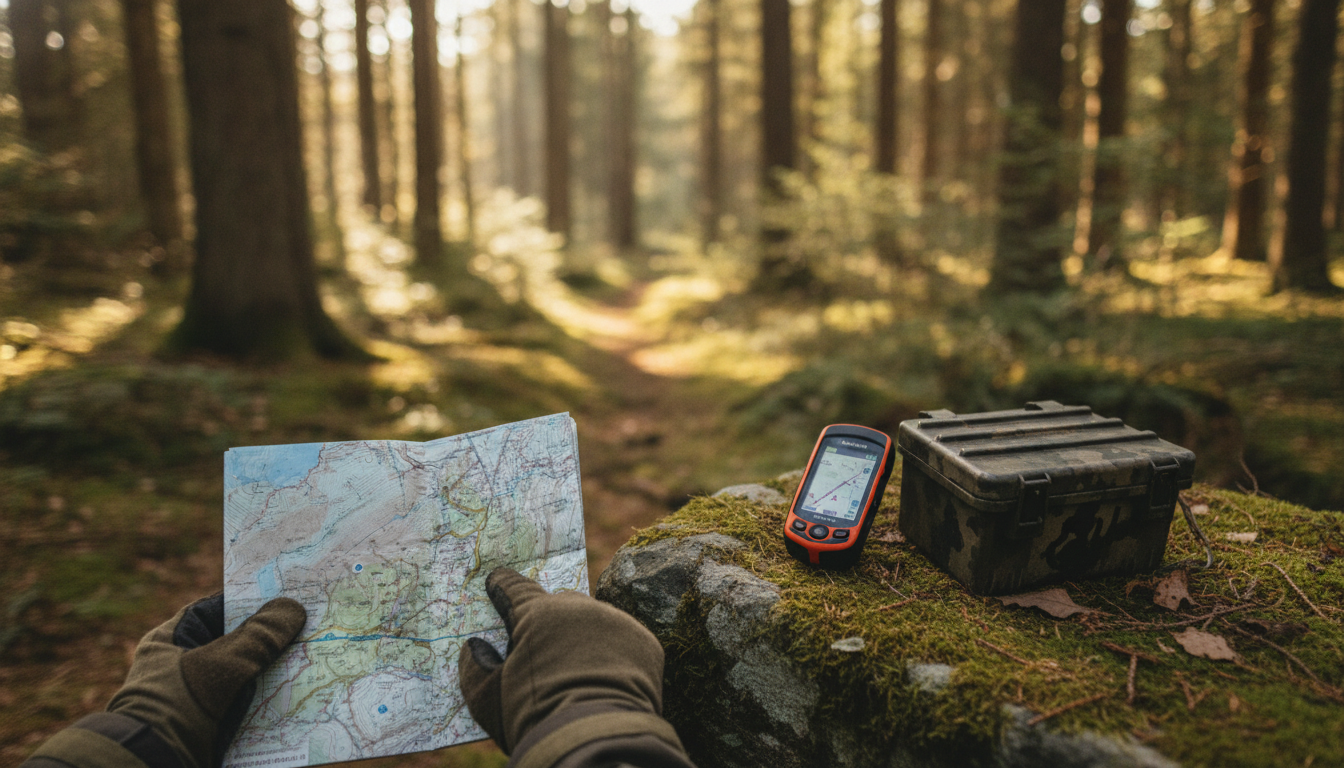
Unlocking the World of Geocaching: Smart Treasure Hunting for Global Adventures
Geocaching turns everyday walks, road trips, and vacations into a real-world treasure hunt powered by GPS. Hidden containers (“caches”) are tucked into parks, cities, trails, and landmarks worldwide—each one a small adventure with clues, coordinates, and a log to sign. With the right approach, geocaching is easy to start, endlessly scalable, and surprisingly good at helping you see familiar places with fresh eyes. For more guidance, see A beginner’s guide to geocaching | UMN Extension.
New to the hobby? The basics are simple: follow coordinates, search thoughtfully, sign the log, and leave the area better than you found it. For further reading, see Explore, Discover, and Learn: A Beginner’s Guide to … – Antsy Labs.
What Geocaching Is (and What It Isn’t)
Geocaching is a GPS-enabled scavenger hunt where participants locate hidden caches using coordinates and hints. Most caches include a logbook to sign, and many also contain small trinkets, “trackables” that travel from cache to cache, or clues that lead to additional stages.
It isn’t digging up the ground, hopping fences, or pushing into restricted areas. It also isn’t “take everything you see.” If you trade for an item, trade fairly—equal or better—so the next finder gets the same spark of discovery. Cache listings and land-use rules matter, and the community generally expects respectful, low-impact behavior.
For beginners, geocaching clicks quickly because you can start with a free app, choose low difficulty/terrain ratings, and grab a handful of wins close to home.
Geocaching Basics at a Glance
| Term | Meaning | Beginner Tip |
|---|---|---|
| Cache | Hidden container with a logbook | Start with “Traditional” caches for straightforward finds |
| GC Code | Unique identifier for a cache listing | Save it offline in case cell service drops |
| Difficulty/Terrain | Ratings for mental challenge and physical effort | Choose low D/T for the first few outings |
| Hint | Extra clue provided by the cache owner | Try searching first; use hint when stuck |
| Trackable | Item with a tracking code that travels cache to cache | Log it correctly and move it promptly if taken |
Getting Started: Apps, Accounts, and First Finds
Start by creating an account on a major platform and using an official app or a reputable GPS/app alternative. If you’re brand new, focus on “Traditional” caches first—these are typically a single set of coordinates with a container at the destination.
Helpful starter filters include cache size (Small or Regular), and attributes like “kid friendly” or “available at all times.” Choose public parks, greenways, urban plazas with obvious access, and well-maintained trails. Before you leave, read the listing carefully: recent logs can reveal whether the cache is active, if the area is under construction, or if a container tends to go missing.
When you find it, sign the physical logbook with your geocaching name, then record the find online. If something is wrong (wet log, cracked lid, container missing), keep the tone constructive and specific so the owner can fix it.
Gear Checklist for Smart Treasure Hunting
Geocaching can be as simple as “phone and curiosity,” but a few small additions make the experience smoother.
- Essential navigation: a smartphone with GPS enabled. Download offline maps or save cache details if you might lose signal.
- Must-haves: a pen/pencil for signing logs, a small flashlight for shadowy hides, and a small bag to pack out any litter you spot.
- Comfort and safety: water, sun protection, weather-appropriate layers, and sturdy shoes. A “low terrain” cache can still get muddy after rain.
- Optional upgrades: a dedicated GPS unit for accuracy/battery life; tweezers for tiny “nano” logs; gloves for rocky crevices.
- Trading items: swap only family-friendly trinkets. Never leave food, scented items, or anything sharp or unsafe.
If you like dialing in your outdoor layers for long walks or shoulder-season hunts, Wool Wonders: Merino, Cashmere & Lambswool Demystified – Your Ultimate Guide to Wool Types is a handy reference for choosing warm, breathable options without overpacking.
How to Find a Cache Without Frustration
Staying Safe, Legal, and Respectful Outdoors
For deeper reading beyond community tips, visit Geocaching.com — Learn About Geocaching and review Leave No Trace — Seven Principles. For general navigation and hiking safety guidance, the National Park Service hiking resources are a solid starting point.
Global Adventures: Making Geocaching Part of Travel
Leveling Up: Puzzle Caches, Multi-Caches, and Smarter Navigation
Beginner-Friendly eBook Guide: What’s Included and Who It Helps
If you prefer a clear, step-by-step reference you can keep on your phone, Unlocking the World of Geocaching (Beginner-Friendly eBook Guide) covers the essentials: how caches work, how to read listings, and how to avoid common mistakes that cause frustrating searches.
For travelers who get overwhelmed by packed schedules or unfamiliar places, Finding Your Calm Again – Stress Management Guide can be a useful companion for staying steady during busy travel days and long outdoor routes.
FAQ
Is geocaching safe for beginners and kids?
Yes, when you choose low terrain/difficulty caches, stick to public areas with clear access, and supervise kids closely. Check recent logs for any issues, avoid risky spots near roads or restricted infrastructure, and follow local rules and common-sense outdoor safety.
What should be brought on a first geocaching trip?
Bring a phone with GPS, a pen for the logbook, water, sunscreen, and shoes you can walk in comfortably. Optional extras like a small flashlight, gloves, tweezers for tiny logs, and a small trash bag make many hides easier and cleaner.
What should be done if a cache can’t be found?
Pause and recheck the map, hint, and recent logs, then expand your search radius to account for GPS drift. If it’s crowded or you’re short on time, come back later and log a polite DNF; only report damage or a missing container if there are clear signs.












Leave a comment