Pet-Safe Cleaning Routine: Floors, Litter, Crates & More
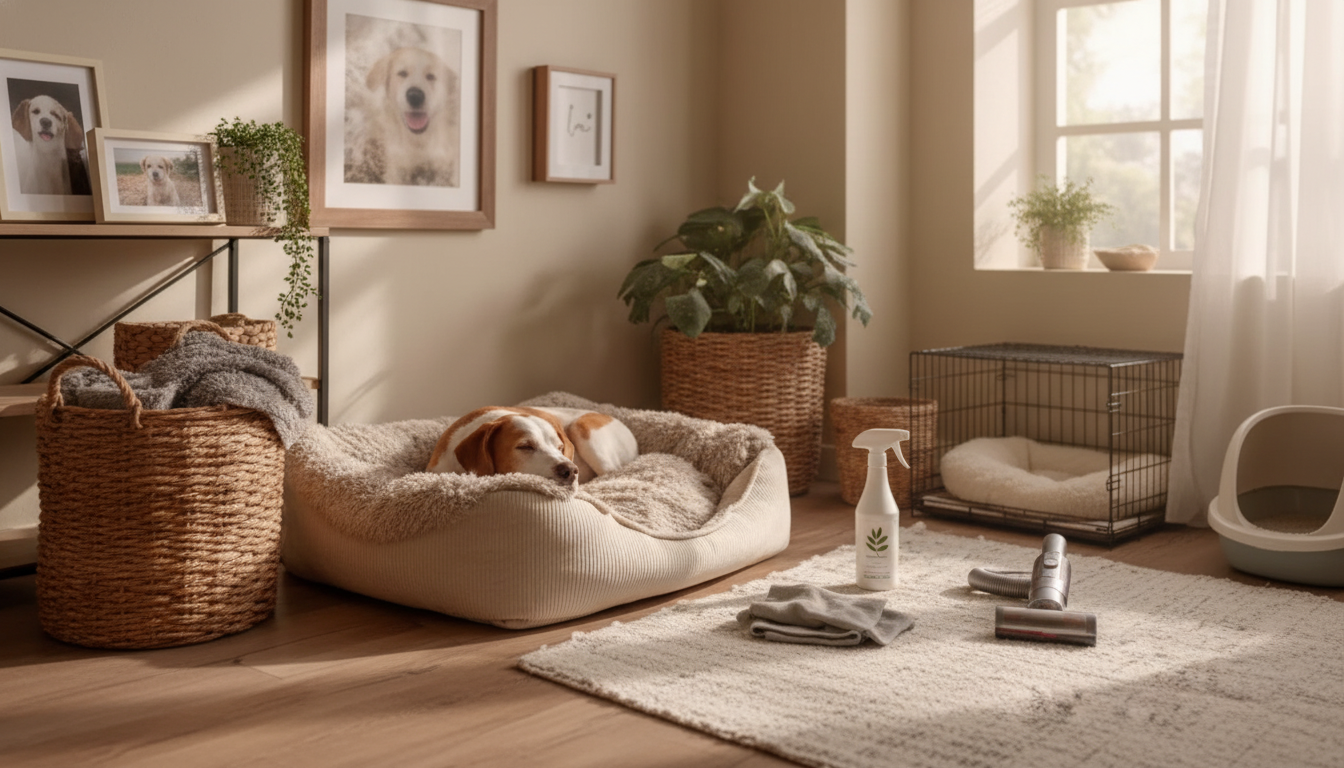
Paws & Clean: A Safe and Smart Routine for Cleaning Pet Areas
Pet messes are never just “messy”—they can involve germs, sticky residue, and lingering fumes that affect paws, noses, and sensitive lungs. A safer approach starts with choosing the right products, using them correctly, and building a routine that keeps floors, bedding, crates, litter zones, and feeding stations clean without introducing avoidable risks. Below is a practical, room-by-room plan you can actually keep up with—plus a simple way to schedule tasks so small cleanups don’t turn into big ones.
What “pet-safe” cleaning really means
“Pet-safe” isn’t a single ingredient or label—it’s an outcome. The goal is to remove soil (dirt), break down organic mess (urine/vomit), and reduce germs without leaving behind irritating residue or strong fumes.
- Cleaning vs. disinfecting: Cleaning removes grime and most germs mechanically; disinfecting kills a higher percentage of germs but often uses harsher chemistry. In many everyday pet zones, cleaning is enough.
- More product isn’t better: Over-dosing can increase residue (sticky floors, paw prints) and irritation, without improving results.
- Ventilation + drying time: Fresh air, correct dwell time (how long a product sits), and fully dry surfaces prevent pets from tracking wet chemicals or licking paws afterward.
- Sensitive pets need extra caution: Puppies/kittens, birds, reptiles, and pets with respiratory issues typically do best with milder products and stronger ventilation.
Common hazards to avoid in pet areas
- Never mix cleaners: Especially bleach with ammonia or acids—dangerous gases can form fast. If you’re unsure what was used earlier, rinse with water first and ventilate.
- Go easy on strong scents: Crates, small bathrooms, and laundry rooms trap fumes. Use the mildest effective option and keep airflow moving.
- Be cautious with essential oils: “Natural” doesn’t automatically mean low-risk—cats and birds can be especially sensitive to certain oils and fragranced sprays.
- Lock up concentrates and pods: Accidental ingestion is a common cause of pet poisonings. Keep products in closed cabinets and wipe up drips immediately.
- Watch slippery residues: Some cleaners leave films that can lead to slips, falls, and joint strain—especially for senior pets.
For immediate poison guidance, the ASPCA Animal Poison Control is a reputable resource.
Quick-start routine: daily, weekly, monthly
A consistent routine prevents “emergency deep cleans” and keeps odors from settling in. Use temporary “no-pet access” rules (a gate, closed door, or playpen) while surfaces dry.
Daily (5–10 minutes)
- Spot-clean accidents right away.
- Wipe the food/water area (splashes turn into sticky grime quickly).
- Empty litter/clump; quick sweep or vacuum nearby tracking.
- Quick sweep/vacuum high-traffic zones to reduce dander and grit.
Weekly
- Wash pet bedding/blankets.
- Mop hard floors with a residue-minimizing cleaner (use minimal product).
- Clean bowls and mats; sanitize litter scoops and waste bins as needed.
Monthly
- Deep clean crates/carriers; air out completely.
- Wash curtains near favorite windows (fur + dander build up quietly).
- Rotate and wash toys as materials allow.
- Refresh enzyme treatment in recurring accident spots.
Simple kit: paper towels, microfiber cloths, enzyme cleaner, mild detergent, disposable gloves, a small scrub brush, trash bags, and a dedicated bucket.
Cleaner and tool guide (what to use where)
- Enzymatic cleaners: Best for urine and organic odors. Give proper dwell time; avoid heat until treatment is complete.
- Mild dish soap or gentle detergent: Great for greasy feeding-station residue. Rinse thoroughly to prevent paw-contact irritation.
- Diluted bleach solutions: Reserve for true disinfection on compatible hard surfaces. Measure accurately, ventilate, and keep pets away until fully dry. For disinfectant guidance, the CDC’s home cleaning recommendations are a solid reference.
- Hydrogen peroxide (3%): Can help with some stains and light disinfection on certain surfaces. Spot-test first to avoid bleaching.
- Steam cleaning: Helpful for some floors and upholstery, but avoid using on urine until enzymatic treatment is complete (heat can set odor).
- Microfiber + HEPA vacuuming: Reduces dander and tracked litter more effectively than dry dusting.
At-a-glance: safer choices by cleaning task
| Task | Safer first choice | When to disinfect | Key safety step |
|---|---|---|---|
| Urine on carpet | Enzyme cleaner + blotting | Only if illness risk or vet-recommended | Keep pets off until fully dry; avoid steam first |
| Food bowl station | Hot water + mild detergent | After raw food spills or illness | Rinse well; prevent soap residue |
| Hard floors (daily) | Microfiber + diluted mild cleaner | Rarely needed | Use minimal product; dry thoroughly |
| Litter box area | Wash box with mild soap; rinse | If GI illness or parasites suspected | Ventilate; avoid strong fragrances |
| Crate/carrier | Mild detergent; spot enzyme for accidents | After sickness or transport mess | Air out completely before use |
Room-by-room priorities
Entryway
Living room
Kitchen / feeding zone
Laundry / bedding
Bathrooms / litter zones
Odor and stain troubleshooting
Using smart tools to simplify cleaning
A practical next step: a guided plan you can follow
- Paws & Clean: A Safe and Smart Guide to Cleaning Pet Areas (Digital eBook)
- Gentle Curiosity, Safe Homes – Child Safety With Exotic Pets (eBook)
- The Real Cost of Pet Adoption (eBook)
FAQ
Do pet areas need to be disinfected every day?
Usually not. In most households, routine cleaning removes grime and lowers germ levels enough; disinfection is more appropriate after illness, suspected parasites, or messy raw-food spills, and pets should be kept away until surfaces are fully dry and the area is well-ventilated.
What is the safest way to remove pet urine smell from carpet?
Blot first, then apply an enzymatic cleaner with the full dwell time listed on the label, and blot again; repeat if needed. Avoid steam or other heat until the odor is fully treated, and consider professional help if the padding is deeply saturated.
Are essential oils safe to use for pet odors?
Not always—some essential oils and fragranced sprays can irritate or be risky, especially for cats and birds. Safer options include ventilation, washing fabrics, enzyme cleaners to remove the source, and HEPA filtration to reduce odor-carrying dander.










Leave a comment