Skin Barrier Recovery: How to Choose Repair Products
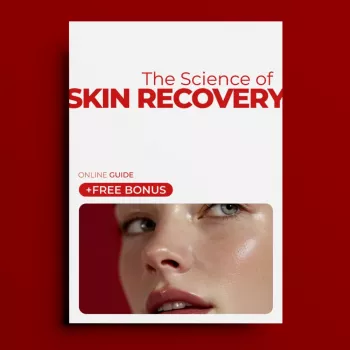
The Science of Skin Recovery: What to Look For in Skin Repair Products for Healthier, Glowing Skin
Skin recovery is the body’s built-in repair program: restoring the barrier, calming inflammation, and rebuilding a smoother, more even-looking surface. The right skin repair product supports these processes without adding new irritation. This guide breaks down what “repair” really means, which ingredients and formulas tend to help most, and how to choose products that improve comfort, resilience, and glow over time. For more guidance, see Skin care: 5 tips for healthy skin – Mayo Clinic.
What “Skin Recovery” Means Biologically
Skin “recovery” isn’t a single event—it’s several protective systems working together. When products claim “repair,” they should support at least one of the following: For further reading, see Nutritional Dermatology: Optimizing Dietary Choices for Skin Health.
- Barrier repair: strengthening the stratum corneum so water stays in and irritants stay out.
- Inflammation control: reducing redness, stinging, and reactive flare-ups that slow visible improvement.
- Cellular regeneration: supporting turnover and repair after acne, sun exposure, shaving irritation, or over-exfoliation.
- Microbiome balance: keeping skin’s surface environment stable to reduce sensitivity and breakouts.
If you want a simple reference point for what the barrier does and why it matters, the Cleveland Clinic overview is a helpful primer: Skin barrier (function and protection).
Signs the Skin Barrier Needs Repair
Barrier issues often look like “dryness,” but the pattern is usually more specific: symptoms come back quickly, products start to sting, and skin becomes reactive to things that were fine last month.
- Tightness, flaking, or rough patches that return quickly after moisturizing.
- Stinging when applying previously tolerated products (especially acids, vitamin C, or retinoids).
- Redness, warmth, or itchiness that lingers beyond a short exposure to triggers.
- Increased breakouts or sensitivity after cleansing, shaving, or weather changes.
For additional context on dry, compromised-feeling skin and supportive care habits, see the American Academy of Dermatology’s tips: Dry skin (overview and care tips).
Ingredients That Support Recovery (and Why They Matter)
Skin repair products work best when they match how skin is built: water-binding ingredients for comfort, lipids for structure, and soothing agents to reduce reactivity.
- Ceramides + cholesterol + fatty acids: a lipid trio that mirrors barrier structure and improves water retention.
- Humectants (glycerin, hyaluronic acid): bind water to reduce tightness and improve plumpness.
- Occlusives (petrolatum, dimethicone, squalane): slow transepidermal water loss, especially during acute irritation.
- Soothers (panthenol, allantoin, colloidal oatmeal): help reduce discomfort and visible redness.
- Niacinamide: supports barrier function and helps even tone, but can sting at higher concentrations on very reactive skin.
- Antioxidants (vitamin E, ferulic acid): reduce oxidative stress that can worsen inflammation and dullness.
- Barrier-friendly actives (azelaic acid in gentle bases): can help redness and uneven tone when tolerated.
Ingredient quick guide: what to look for by goal
| Goal | Helpful ingredients | What to avoid when irritated |
|---|---|---|
| Dryness + tightness | Glycerin, hyaluronic acid, ceramides, squalane | High-alcohol formulas, strong foaming surfactants |
| Redness + sensitivity | Colloidal oatmeal, panthenol, allantoin, low-dose niacinamide | Fragrance/essential oils, aggressive exfoliants |
| Post-acne marks + dullness | Niacinamide, gentle vitamin C derivatives, azelaic acid | Multiple actives stacked at once |
| Over-exfoliated or “raw” feeling | Petrolatum, dimethicone, ceramide creams, bland moisturizers | Retinoids, AHAs/BHAs, strong vitamin C until calm |
If you deal with eczema-prone or highly reactive skin, learning how barrier disruption shows up can be useful: National Eczema Association: Skin barrier and eczema.
How to Read a Formula Beyond the Hype
“Repair” claims can be vague, so it helps to read the formula like a blueprint rather than a marketing list.
- Prioritize the base: a well-built moisturizer (lipids + humectants + gentle emulsifiers) often outperforms a long list of trendy extracts.
- Check irritant potential: fragrance, essential oils, and high levels of denatured alcohol can prolong sensitivity in compromised skin.
- Use concentration clues: ingredients listed earlier are generally present at higher levels; extremely “active” positioning can be too much during recovery.
- Packaging matters: airless pumps and opaque bottles help protect light- and oxygen-sensitive ingredients.
- Patch test during a flare: apply to a small area for 2–3 days before full-face use when skin is reactive.
Building a Recovery Routine That Actually Works
During recovery, fewer steps often deliver better results because every extra product is another chance for irritation.
- Cleanse gently: short contact time, lukewarm water, and low-foam cleansers help preserve lipids.
- Moisturize on damp skin: improves humectant performance and reduces water loss.
- Seal strategically: use an occlusive layer at night on the driest zones if flaking or tightness persists.
- Pause and reintroduce: stop strong actives during acute irritation; reintroduce one at a time every 1–2 weeks.
- Daily sunscreen: UV exposure slows repair and worsens redness, pigmentation, and texture.
Choosing a Skin Repair Product for Your Skin Type
A Deeper Reference for Product Selection
More digital guides available
FAQ
How long does it take for the skin barrier to recover?
Mild irritation can improve in a few days with gentle cleansing, consistent moisturizing, and sunscreen. Deeper barrier disruption (persistent stinging, widespread flaking, recurring redness) can take a few weeks, especially if triggers keep repeating.
Should exfoliants and retinoids be stopped during skin recovery?
Yes—if you’re experiencing stinging, redness, or a “raw” feeling, pausing strong actives usually helps the barrier settle. Reintroduce slowly by adding back one active at a time at lower frequency, and stop again if symptoms return.
Are “natural” ingredients safer for sensitive, recovering skin?
Not always; “natural” doesn’t automatically mean non-irritating. Fragrance and essential oils—whether natural or synthetic—are common triggers, so fragrance-free formulas with a simple, well-tested base are often the safer choice during recovery.











Leave a comment