Use AI to Discover Your Personal Style and Build Outfits
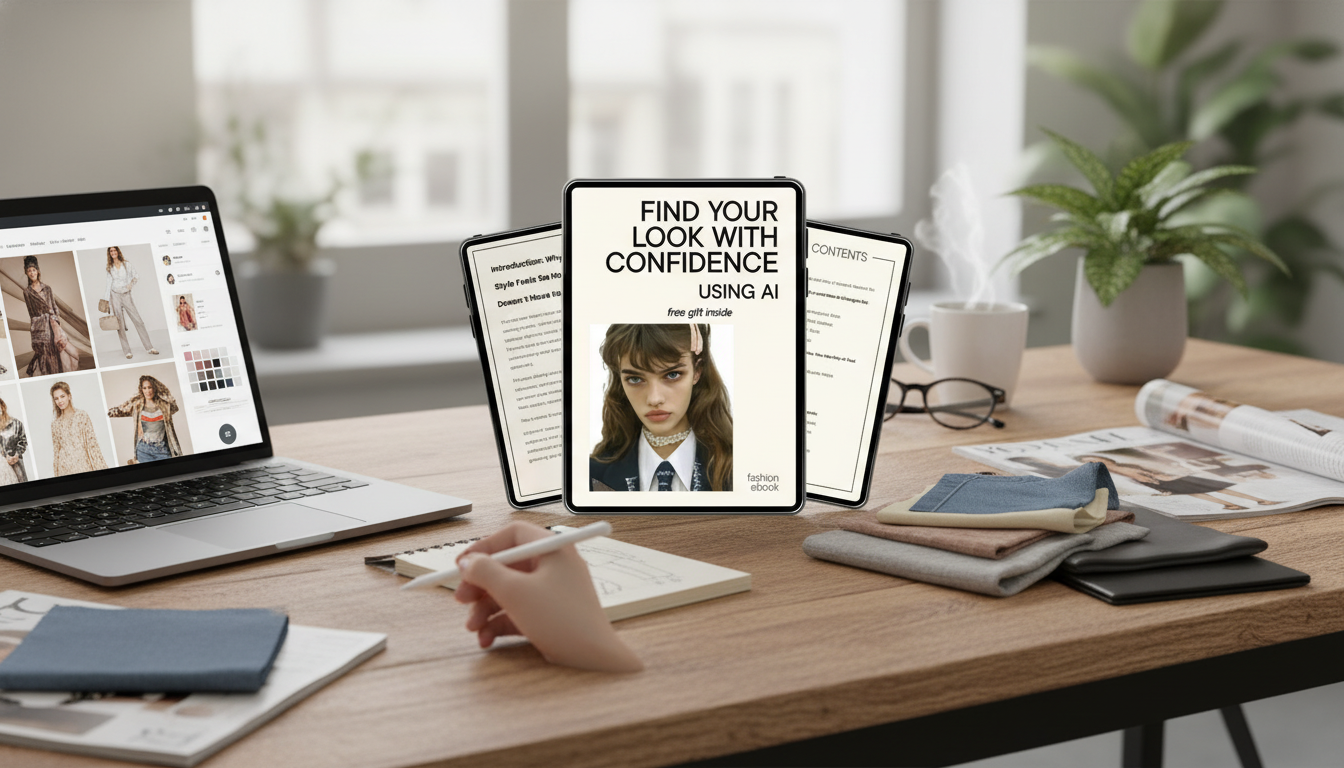
Find Your Look with Confidence Using AI: A Practical Path to Personal Style and an Easier Wardrobe
Personal style gets simpler when decisions are based on clear inputs: lifestyle needs, favorite silhouettes, repeatable color families, and a small set of outfit formulas. AI tools can speed up the discovery process—helping identify patterns in what already works, creating cohesive combinations, and reducing time spent second-guessing. The most satisfying results come from pairing AI suggestions with real-world wardrobe habits (try-ons, comfort checks, and honest wear tests) so getting dressed feels easy, consistent, and “like you.”
What “using AI for personal style” actually means
Using AI for personal style is less about letting an app “decide your look” and more about getting faster clarity. Think of AI as a sorting and suggestion tool: it can organize preferences, generate outfit combinations, and surface patterns in colors, shapes, and overall vibe faster than manual trial-and-error.
AI performs best with constraints. The more you share about your climate, dress code, comfort needs, budget, and preferred silhouettes, the more wearable the ideas become. Still, AI can’t replace the essentials that make clothing work in real life: fit, fabric feel, movement, and the way something holds up after a full day. Use AI to narrow options—then let real-life try-ons make the final call.
A practical goal to keep in mind: fewer purchases, more outfits, and less decision fatigue.
Set up strong inputs: the 15-minute style inventory
Before asking for outfit ideas, build a quick “style inventory” so your results reflect your actual life.
- Collect 10–20 outfit photos that feel most “you” (camera roll, saved posts, or mirror shots).
- List non-negotiables: go-to shoes (sneakers, flats, boots), sensory preferences (stretch, waist height, sleeve length), and maintenance tolerance (dry clean vs. washable).
- Define 2–3 lifestyle lanes (work, weekend, events) and estimate how often each one happens.
- Identify friction points: “nothing matches,” “too casual at work,” “always missing layers,” or “impulse buys that don’t integrate.”
Style Inputs That Help AI Give Better Outfit Suggestions
| Input type | Examples to provide | Why it matters |
|---|---|---|
| Lifestyle lane | Office days, school runs, travel, events | Prevents outfits that look good but don’t fit real life |
| Comfort rules | No itchy fabrics, needs pockets, prefers loose waist | Avoids ideas that won’t be worn |
| Climate + layering | Hot summers, cold office AC, rainy season | Improves practicality and repeatability |
| Color preferences | Neutrals + one accent, avoids pastels | Creates a cohesive palette that mixes easily |
| Silhouette favorites | Wide-leg pants, cropped jacket, midi skirt | Builds consistent shapes across outfits |
Use AI to name your style direction without boxing yourself in
Once you’ve gathered photos and notes, ask AI to summarize your style in 3–5 descriptors based on what you already wear and love. Useful examples: “polished casual,” “modern minimal,” “soft structured,” or “elevated basics.” The point isn’t to label yourself forever—it’s to create a shortcut for decisions.
Next, translate those descriptors into wardrobe specifics: hem lengths you reach for, waistlines you feel best in, neckline shapes that flatter, and the proportions you repeat (like cropped jacket + high-rise wide-leg). Then add “style boundaries” that prevent drift. For instance:
- Structured on top + relaxed on bottom
- One statement piece per outfit
- Sporty shoe only with tailored layers
Keep it flexible by treating your core direction as the foundation and rotating small seasonal accents (a trend color, a new shoe silhouette, a different bag shape) rather than rebuilding your closet every few months.
Build a cohesive wardrobe with a small, repeatable color system
AI can help you generate outfit combinations and capsule ideas while staying inside your palette. If you want a more color-informed approach, the International Colour Association (AIC) is a helpful reference point for learning how color is discussed and standardized across industries.
Outfit formulas that reduce decision fatigue
Shopping with AI: reduce impulse buys and increase outfit count
For a broader perspective on what AI can (and can’t) do reliably, the NIST Artificial Intelligence resource is a solid starting point for understanding AI capabilities and limitations in everyday tools.
A simple weekly routine to keep the wardrobe working
Practical eBook: step-by-step guidance for using AI to dress with ease
If you want a structured, low-overwhelm plan, Find Your Look with Confidence Using AI – A Practical eBook Guide walks through translating preferences into a cohesive wardrobe system. It focuses on clarifying style descriptors, building a consistent palette, and creating repeatable outfit formulas so outfit decisions get faster and shopping becomes more intentional.
To support the everyday details that make outfits feel “finished,” a practical add-on is the Odor-Free Shoes Checklist, especially if sneakers and flats are part of your core formulas and you want them rotation-ready.
FAQ
What AI tools can help with personal style and outfit planning?
Visual search tools can identify similar items and style references, wardrobe apps can catalog what you own and build outfits, and chat-based assistants can generate outfit ideas, packing lists, and capsule plans. The best results come from adding photos plus clear constraints like dress code, climate, and comfort rules.
Can AI tell what colors look best on someone?
AI can suggest palettes based on your examples and preferences, but lighting, filters, and camera settings can skew accuracy. Test colors in natural light and prioritize the shades you actually enjoy wearing and feel confident in.
How can AI help stop buying clothes that don’t get worn?
Use an outfit-count check before you buy: require multiple complete outfits using the new piece and your current wardrobe. Track what you wear, identify why items get ignored (fit, comfort, pairing gaps), and keep a gap-based shopping list so purchases solve real problems instead of adding clutter.









Leave a comment