How to Pay a Private Car Seller Safely (Checks, Wire)
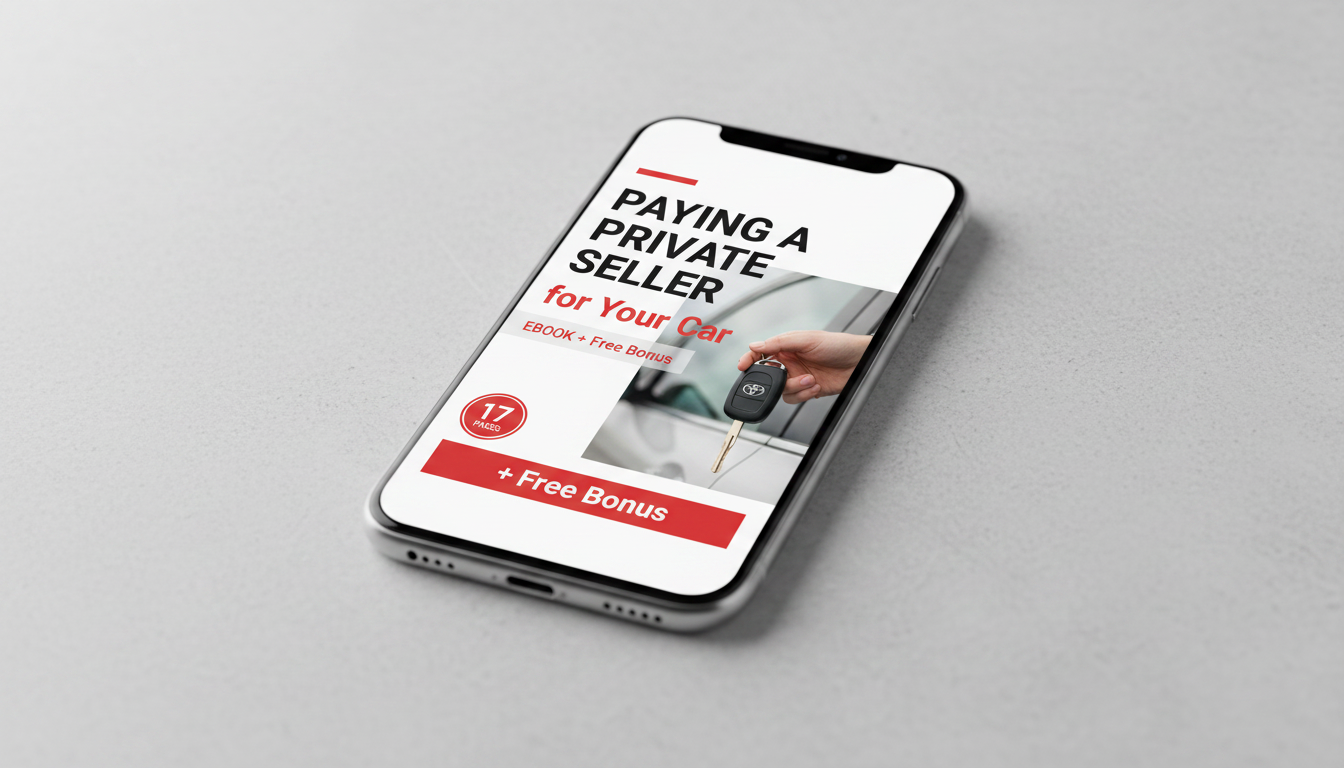
Paying a Private Seller for a Car: Safe, Simple Ways to Transfer Money and Close the Deal
Private-party car purchases can save money, but the payment step is where most costly mistakes happen. Use a method that protects both sides, confirms the vehicle and title are legitimate, and creates a clean paper trail—without handing over more trust than necessary.
Before Any Money Changes Hands: Confirm the Car and the Seller
- Match the seller’s name to a government-issued ID and confirm it matches the title (or documented authority to sell).
- Verify the VIN on the dashboard/door jamb matches the title and any vehicle history report.
- Check for liens: look for lienholder notation on the title and ask for a lien release if applicable.
- Meet in a safe place: bank lobby, credit union, or DMV/Secretary of State office when possible.
- Bring a bill of sale template and a checklist for title transfer details (date, purchase price, odometer reading, signatures).
For extra peace of mind, you can also check the VIN for safety recalls through the NHTSA recall lookup before committing to the purchase.
Best Payment Methods for Private Car Sales (Ranked by Safety and Proof)
- Cashier’s check at the seller’s bank: have the bank issue it on the spot, then exchange keys/title immediately after verification.
- Domestic wire transfer initiated while both parties are present at the bank: fast settlement with strong documentation; confirm wiring instructions verbally and in person.
- Cash for smaller amounts: count and complete the transaction inside a bank so bills can be verified; avoid carrying large sums across town.
- Escrow services for higher-risk situations or long-distance deals: only use well-known escrow providers; never use a link sent by the seller without independent verification.
- Avoid: gift cards, crypto transfers, “overpayment” arrangements, or payment methods that can be easily reversed after the car is released.
Payment Methods Compared
| Method | When it works best | Pros | Cons / Risks | Proof to keep |
|---|---|---|---|---|
| Cashier’s check (issued in person) | Local purchase; both can meet at a bank | Strong paper trail; seller can verify funds | Counterfeit risk if issued elsewhere; may require bank hours | Copy/photo of check, receipt, bill of sale |
| Wire transfer (bank-initiated) | Higher price; immediate settlement needed | Fast; hard to dispute once sent; documentation | Irreversible if sent to wrong account; fees | Wire confirmation, seller receipt, bill of sale |
| Cash (bank-verified) | Lower totals; quick close | Immediate; simple | Safety risk; counting errors; counterfeit bills | Withdrawal receipt, bill of sale, photo of counted cash (optional) |
| Escrow (reputable provider) | Remote/long-distance or higher fraud risk | Adds protection and process; conditional release | Escrow scams common; fees and delays | Escrow agreement, transaction ID, delivery/inspection records |
| Peer-to-peer apps | Small deposits only, not full purchase price | Convenient | Chargebacks/disputes; account freezes; limits | App receipt plus signed deposit agreement |
How to Exchange Payment, Title, and Keys Without Gaps
- Do the paperwork first: bill of sale filled out, odometer statement (if required), and title ready for signatures.
- Confirm title requirements for the state: notarization, witness rules, and acceptable forms of payment proof (varies by jurisdiction).
- Exchange sequence for in-person bank meetups: verify title/ID → sign documents → initiate/verify payment → hand over title/keys → take a photo of completed paperwork (with permission).
- If there is an existing loan: pay off at the lender, obtain payoff letter and lien release, and confirm how/when the title will be released.
- Keep both parties’ contact details: useful for DMV follow-up and any required release-of-liability filing.
If something feels rushed, slow it down. Many losses happen when a buyer hands over funds before the title is correctly signed, or when a seller releases the car before payment is verifiably final.
Smart Deposits and Holds: When a Small Payment Makes Sense
- Use deposits only when necessary (e.g., seller is holding the car for a short, defined time).
- Put deposit terms in writing: amount, deadline, conditions for refund, and what happens if either party backs out.
- Prefer traceable methods for deposits (card at bank, cashier’s check, or a documented transfer) rather than cash with no receipt.
- Never send a deposit before seeing the title and verifying the seller’s identity.
- If shipping is involved, treat it as a separate contract—shipping scams often piggyback on fake car listings.
Red Flags That Signal a Payment Scam
For broader scam-avoidance tips and reporting options, the FTC’s scam resource hub is a reliable place to start.
What to Keep for Your Records After Payment
A Practical Checklist for Closing Day
Helpful Digital Downloads
- Paying a Private Seller for Your Car – Smart Payment Guide | Best Way to Pay a Private Seller for a Car | Digital Download
- Odor-Free Shoes Checklist | Easy Guide on How to Remove Odor from Shoes Naturally | Printable Shoe Care Checklist
FAQ
What is the safest way to pay a private seller for a car?
Meet at a bank and use a cashier’s check issued on the spot or a wire transfer initiated in person. Verify the seller’s ID and that the title is valid and properly assignable before releasing funds, and keep copies of all paperwork and receipts.
Should a private car seller accept a cashier’s check?
Yes—when it’s issued or verified at the bank during the meetup. Counterfeit cashier’s checks are common, so the safest approach is for the bank to print it (or confirm it) in real time before the seller signs over the title and hands over the keys.
Is it safe to use an escrow service to buy a car from a private seller?
It can be, especially for long-distance deals, as long as the escrow provider is reputable and found independently (not from a seller-sent link). Make sure the escrow terms cover inspection, acceptance, fees, and how/when funds are released.









Leave a comment