Hydration Tips for Kids: Fun Daily Water Routines
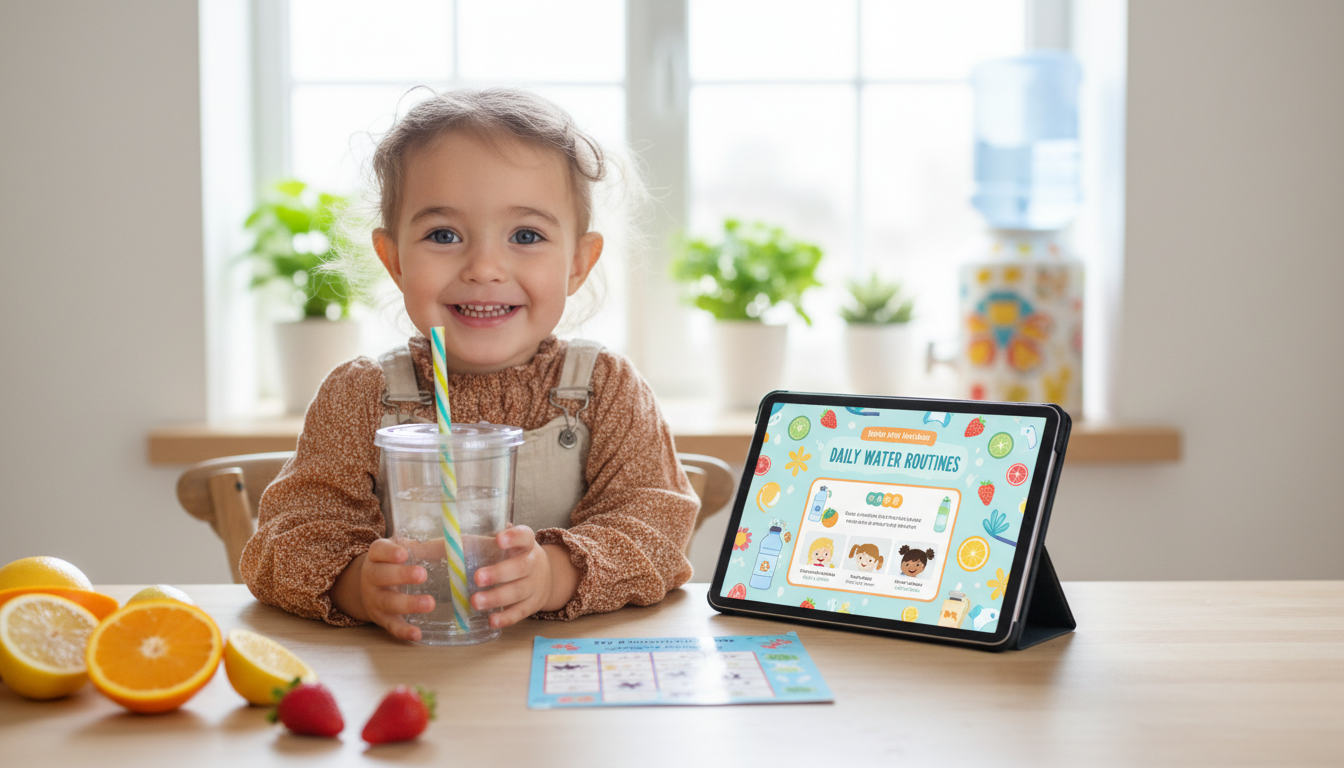
Hydration Tips for Kids: Easy, Fun Daily Water Routines for Healthy Habits
Steady hydration helps kids feel better, think clearly, and stay comfortable during school, play, and sports. The trick is making water easy to reach, easy to remember, and genuinely fun—without turning it into a power struggle. Below are simple routines, kid-friendly flavor ideas, and practical troubleshooting for picky sippers and busy days.
Why hydration matters for growing kids
- Supports energy, mood, and focus during school and homework time.
- Helps regulate body temperature during active play and warm weather.
- Aids digestion and can help prevent constipation when paired with fiber-rich foods.
- May reduce headaches and crankiness that can show up when fluids run low.
- Builds a lifelong habit: choosing water regularly instead of sweet drinks.
For general guidance on healthier drink choices, see the CDC’s overview of water and healthier drinks and family-friendly resources on HealthyChildren.org (American Academy of Pediatrics).
How much water do kids need each day?
Water needs vary by age, body size, activity level, and climate, so it’s more helpful to use a range than a single “perfect” number. Aim for consistent sipping across the day instead of big catch-up chugs at night. Water-rich foods (fruit, vegetables, soups) support hydration too, but plain water should be the main routine drink.
On hot days, during sports, and when sick (fever, vomiting, diarrhea), kids may need more fluids—follow your pediatrician’s guidance for illness-related hydration and electrolyte needs.
Simple daily water targets (from cups to a kid-friendly bottle plan)
| Age group | Starter daily goal (water) | Easy bottle routine | When to add more |
|---|---|---|---|
| 1–3 years | About 2–4 cups/day | Refill a 10–12 oz bottle 1–2 times | Hot weather, lots of outdoor play, fever |
| 4–8 years | About 4–5 cups/day | Finish a 12–16 oz bottle 2–3 times | Sports practice, long recess, dry indoor air |
| 9–13 years | About 5–8 cups/day | Finish a 16–20 oz bottle 2–3 times | Intense training, high heat, heavy sweating |
| 14–18 years | About 6–10 cups/day | Finish a 20–24 oz bottle 2–3 times | Two-a-day practices, outdoor tournaments |
If you want a deeper dive into how daily water needs are estimated across ages, the National Academies’ Dietary Reference Intakes for Water provides detailed context.
Build a “sip schedule” that fits school days
The easiest way to reduce reminders is to attach water to moments that already happen every day. Keep the plan light and predictable so it doesn’t turn into a negotiation.
- Morning anchor: a small glass of water after waking up and before leaving the house.
- School anchors: a few sips after arriving, before lunch, after lunch, and before dismissal.
- After-school anchor: drink water right after backpacks come off—before snacks.
- Evening anchor: pair water with dinner; keep late-night drinking small to reduce bathroom trips.
- Make it visible: keep the bottle in the same spot (by lunchbox, backpack hook, or shoe area).
For kids who thrive on simple targets, try “finish half by lunch, finish the rest by dismissal.” It’s easier to remember than counting ounces.
Make water fun without relying on sugar
- Choose a favorite bottle: straw or flip-top bottles are often easier for kids (and less spill-prone).
- Track “bottle finishes,” not ounces: a sticker chart for consistency works better than perfection.
- Try “color days” with infused water: cucumber-mint, lemon slices, strawberries, orange wedges.
- Use fancy ice: fruit ice cubes, crushed ice, or small ice spheres for sensory fun.
- Offer water first: then any other drink; keep juice and sweet drinks occasional and smaller.
If flavored drinks are a sticking point, start with a single fruit slice and keep reducing the add-ins over time so water gradually becomes “normal.”
Hydration-friendly foods and snack pairings
Kids often drink more when water is paired with food—especially dry or salty snacks that naturally cue thirst.
- Pair water with salty or dry snacks: pretzels, crackers, toast, popcorn.
- Serve hydrating fruits and veggies: watermelon, oranges, grapes, cucumbers, bell peppers.
- Choose fluid-friendly meals: soups, smoothies, yogurt, and oatmeal add hydration through the day.
- Pack “crunch + sip” lunches: carrots + water, apple + water, popcorn + water.
- After sports: combine water with a snack that includes carbs + protein (banana + yogurt, turkey sandwich).
Spotting dehydration early (and when to get help)
Common challenges and simple fixes
A printable-style routine families can reuse
Kid-friendly hydration guide for parents who want a ready-to-use plan
A structured approach can make mornings smoother and cut down on reminders by turning hydration into predictable routines. If you’d like a ready-to-use plan with schedules, flavor ideas, and encouragement strategies, see Hydration Tips for Kids – Easy & Fun Kids Water Guide Ebook for Parents.
More helpful digital guides (in stock)
- Odor-Free Shoes Checklist | Easy Guide on How to Remove Odor from Shoes Naturally | Printable Shoe Care Checklist
- The Real Cost of Pet Adoption | Ebook Guide – Pet Adoption Costs Explained for New & Future Pet Parents
- Gentle Curiosity, Safe Homes – Ebook Guide for Child Safety With Exotic Pets | Family Safety, Responsible Ownership, Home Habits
FAQ
What’s the easiest way to get a child to drink more water at school?
Use a spill-proof bottle they actually like, tie sipping to school-day anchors (arrival, before lunch, after recess), and set one simple target such as “finish half by lunch.”
Are flavored waters okay for kids?
Plain water is best for everyday routines, but naturally infused water (like a few strawberry slices or cucumber) can be a helpful bridge. Avoid high-sugar drinks and keep sweetened options occasional.
How can a parent tell if a child is dehydrated?
Watch for dark urine, fewer bathroom trips, dry mouth, headache, fatigue, or dizziness. Get medical guidance quickly for severe symptoms or if your child can’t keep fluids down.











Leave a comment