One Puppy Training Schedule: Calm Routines That Work
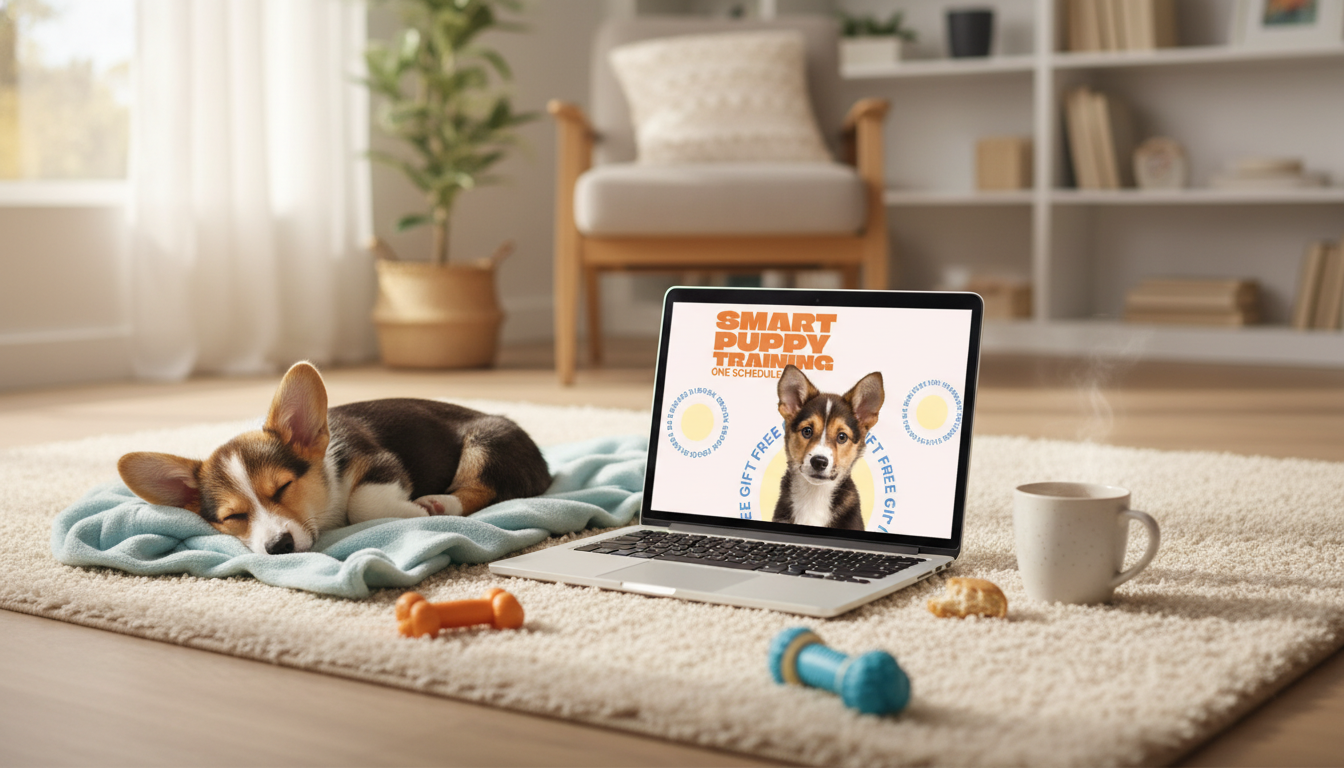
Smart Puppy Training, One Schedule: Calm Routines for Better Behavior
A predictable daily rhythm is one of the fastest ways to reduce puppy chaos—accidents, nipping, barking, and restless evenings often come from inconsistent sleep, potty, food, and play cycles. A single, repeatable schedule makes training cues clearer, helps prevent overstimulation, and gives new dog owners an easy default plan to follow. Below is a practical day structure you can reuse, plus simple ways to adjust it for age, energy level, and real-life interruptions without turning every day into guesswork.
Why one consistent schedule works
Puppies learn patterns faster than they learn rules. When daily events happen in a familiar order, the puppy doesn’t have to guess what comes next—and neither do you.
- Predictability lowers stress: reliable potty breaks, meals, and naps help puppies settle and reduce demand barking.
- Planned naps prevent “gremlin mode”: frequent rest cuts down on biting, zoomies, and frantic overarousal caused by overtiredness.
- Routine speeds potty training: outings lined up with natural “need-to-go” moments (after sleep, play, and meals) reduce accidents.
- Micro-training beats marathon sessions: short repeats throughout the day build habits without frying a young brain.
- Structure helps humans stay consistent: a simple loop keeps training steady even when workdays get busy.
For foundational training principles and humane methods, see guidance from the American Veterinary Society of Animal Behavior (AVSAB) and the American Kennel Club (AKC).
The core pillars of a calm puppy day
1) Potty rhythm
Default rule: out immediately after waking, after play, after eating/drinking, and before/after crating. Keep potty trips boring and consistent (same door, same spot, same cue), then reward success.
2) Food rhythm
Consistent meal times help you predict bowel movements, reduce scavenging, and create easy training opportunities (sit for the bowl, name response, gentle handling during feeding).
3) Sleep rhythm
Many young puppies need about 18–20 hours of total sleep across a day. Instead of waiting for an overtired crash, schedule multiple naps in a crate or pen so “resting” becomes a skill.
4) Play and enrichment
Think in structured bursts: a bit of sniffing, a short tug session with rules, or a calm fetch alternative—then a decompression period. Ending play while the puppy is still successful prevents the spiral into biting and chaos.
5) Training micro-sessions
Two to five minutes is plenty. Pair training with real moments: putting on the leash, waiting at doorways, accepting gentle handling, and calmly watching the world.
6) Calm skill building
Practice daily: settle-on-mat, brief alone-time, and gentle body handling (paws, ears, collar touches). These “boring skills” are often what make the biggest difference in household peace.
Sample “one schedule” day (adjustable template)
Use this as a starting point and shift times earlier or later while keeping the same sequence. A helpful loop is: potty → calm engagement/training → play/enrichment → potty → nap. If accidents happen, increase potty frequency and tighten supervision between outings.
| Time Block | What to Do | Owner Goal | Notes |
|---|---|---|---|
| Wake-up | Potty trip + quiet praise | Prevent accidents, start day calmly | Carry to the spot if needed; keep it boring |
| Morning | Breakfast + 2–5 min training | Build focus and manners | Hand-feed part of meal for sits, name response, leash calm |
| After breakfast | Potty + short play/sniff walk | Burn energy safely | Avoid overstimulation; end while puppy is still successful |
| Late morning | Nap in crate/pen | Teach settling and alone-time | Use a chew or stuffed toy to ease transitions |
| Midday | Potty + lunch (if age-appropriate) + training | Consistency and impulse control | Practice “touch,” “leave it,” gentle handling |
| Afternoon | Enrichment + potty + nap | Reduce boredom behaviors | Rotate chews, snuffle, simple puzzle toys |
| Evening | Dinner + calm play + potty | Lower arousal before bedtime | Prefer sniffing games over rough play late |
| Bedtime | Last potty + sleep | Night routine stability | Young puppies may need a nighttime potty for a while |
How to adapt the schedule to age, breed, and household
For additional socialization and training reminders, the RSPCA’s puppy training and socialisation advice is a helpful reference.
Common routine problems and quick fixes
Building confidence in new dog owners (simple rules that stay the same)
Using an AI-based schedule guide to stay consistent
For a ready-to-use routine framework, see Smart Puppy Training, One Schedule – AI Puppy Training Schedule Guide for Calm Routines, Better Behavior & Confident New Dog Owners.
If you’re planning ahead for the ongoing expenses that support training success (supplies, vet care, classes, preventive care), The Real Cost of Pet Adoption | Ebook Guide – Pet Adoption Costs Explained for New & Future Pet Parents can help you map a realistic baseline.
FAQ
How often should a puppy go out for potty breaks?
A solid baseline is after waking, after eating or drinking, after play, and before/after crating. Very young puppies may need outings every 30–60 minutes when awake, then you can gradually extend intervals as accidents decrease.
How many naps does a puppy need in a day?
Many puppies sleep about 18–20 hours total across a day, split into multiple naps. If you see overtired signs like frantic zoomies or biting, schedule rest earlier rather than adding more play.
What if the schedule gets disrupted for a day?
One off-day is normal; return to the same sequence as soon as possible: potty → calm engagement → enrichment → potty → nap. Increase potty frequency temporarily and keep the evening calmer to avoid an overtired spiral.











Leave a comment