Slug Control for Home Gardens: Barriers, Traps & Baits
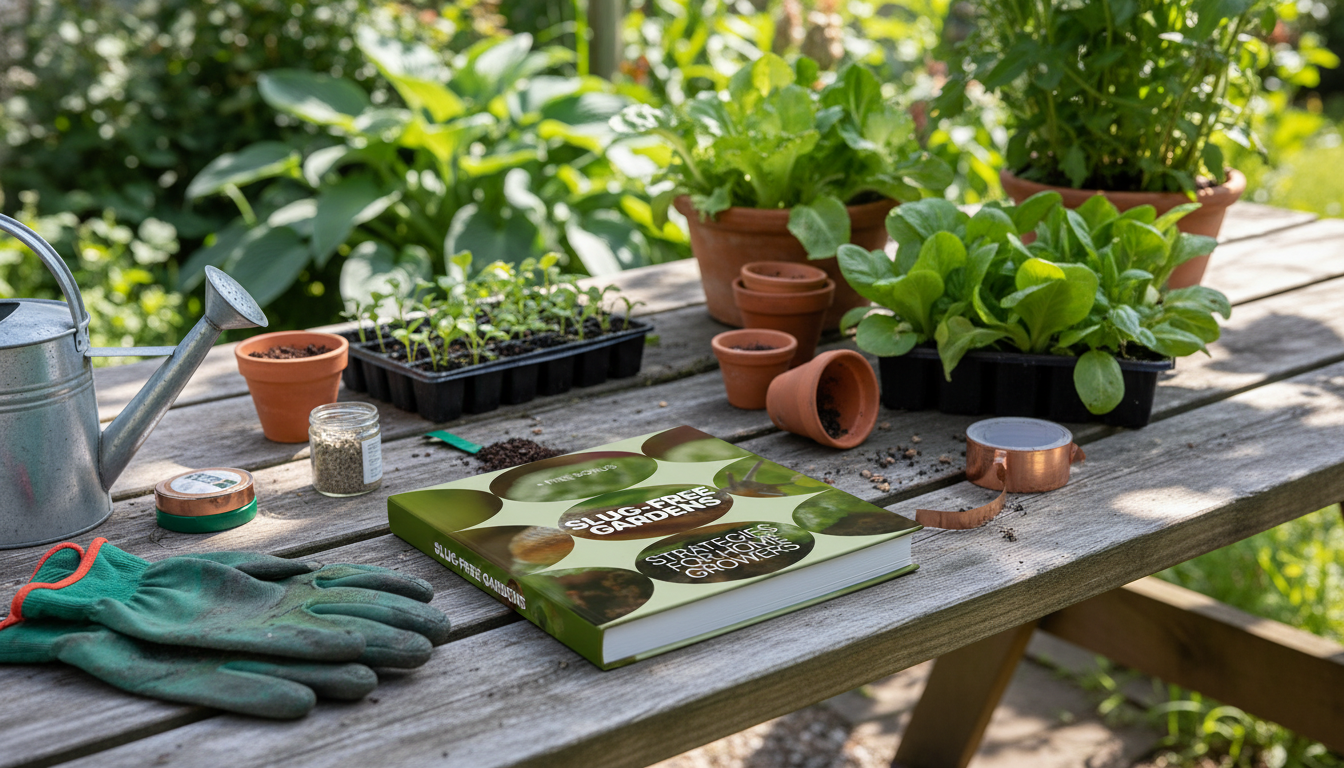
Slug-Free Gardens: Smart Strategies for Home Growers
Slugs can strip seedlings overnight, scar ripening fruit, and turn a promising bed into a patchwork of holes. A lasting solution comes from understanding where slugs hide, what conditions help them thrive, and how to combine barriers, habitat tweaks, trapping, and targeted baits into a simple routine that fits a home garden.
Know the culprit: slugs vs. snails and what the damage looks like
Most slug problems look the same at first: ragged holes in leaves, rasped edges on tender greens, shiny slime trails on soil and walkways, and shallow gouges in fruit that touches the ground (especially strawberries and low-hanging tomatoes). Slugs tend to feed at night and hide in cool, damp cover during the day; snails add a visible shell, but many controls work for both.
To confirm the culprit, do a quick flashlight check after dusk or head out early in the morning after irrigation or rain. Once you spot them, map your hotspots: shaded beds, north-facing walls, compost edges, drip lines, and anywhere mulch is thick and snug against stems.
Quick guide to common slug control options
| Approach | Best use | Pros | Cons / cautions |
|---|---|---|---|
| Hand-picking | Small gardens, early infestations, after rain | Immediate reduction; no materials needed | Time-sensitive; requires consistency at dusk/dawn |
| Shelter traps (boards, damp cardboard) | Monitoring and routine removal | Concentrates slugs for easy collection | Must be checked frequently; can become habitat if ignored |
| Beer or yeast-water traps | Short bursts during peak activity | Simple and inexpensive | Attracts from nearby; needs refilling; not selective |
| Barriers (copper tape, sharp grit, collars) | Protecting seedlings and prized plants | Prevents access when installed correctly | Bridges form via leaves, soil splash, or mulch; copper needs clean contact |
| Iron phosphate bait | Moderate to heavy pressure, around vulnerable crops | Effective; generally considered lower risk for pets when used per label | Apply correctly and reapply as directed; avoid overuse and scatter to non-target areas |
| Habitat adjustment | Whole-garden prevention | Reduces long-term pressure | May require changes to watering, mulching, and clutter |
Why slugs surge: moisture, shelter, and timing
Moisture is the fuel that extends slug activity. Evening watering, leaky drip lines, and thick, constantly damp mulch can turn a short feeding window into an all-night buffet. Shelter matters just as much: stacked pots, boards, stone edging, dense weeds, groundcover mats, and debris provide daytime refuges where slugs avoid heat and predators.
Expect peak pressure during spring seedling season, cool wet spells, and late summer when young slugs emerge and look for soft growth. The most vulnerable plants are the ones with tender tissue close to the ground: lettuce, brassicas, basil, hostas, dahlias, marigolds, strawberries, and newly transplanted starts.
Prevention that actually holds: garden hygiene and microclimate tweaks
Long-term control comes from making the “slug lifestyle” inconvenient. Start with watering: irrigate earlier in the day so the soil surface dries by nightfall, and check emitters for leaks or overspray that keeps bed edges wet. Next, create a dry buffer by pulling mulch back 2–4 inches from stems and seed rows; this reduces hiding spots right where plants are most vulnerable.
Remove or relocate shelters near crops. Lift pots off bare soil, thin dense groundcovers along bed edges, and store boards away from planting areas (or commit to checking them frequently as intentional traps). Keep grass and weeds trimmed along borders because slugs often stage from perimeter vegetation. Finally, improve airflow and light: prune lower leaves, space plantings, and avoid creating permanently shaded, damp pockets.
Hands-on control: fast knockdown methods for small spaces
Barriers and plant protection for seedlings and prized crops
Baits and safer chemical choices: when pressure is high
Use basic precautions: store baits securely, apply at the recommended rate, and sweep up spilled pellets from hard surfaces. Stronger options such as metaldehyde products can carry higher risks to pets and wildlife; reserve them only for situations where they’re legal and appropriate, and follow all directions carefully. For deeper background on identification and management, see guidance from UC IPM, the Royal Horticultural Society, and bait safety information from NPIC.
Encourage natural predators without creating new problems
A simple 14-day slug reset plan
Practical guidebook for longer-term control
If a repeatable system is the goal—one that combines identification, garden adjustments, barriers, trapping routines, and baiting decisions into an easy workflow—use Slug-Free Gardens: Smart Strategies for Home Growers | Practical Guide to Solving the Home Garden Slug Problem for step-by-step support during spring seedling season and extended wet weather.
More helpful digital guides (in stock)
- Odor-Free Shoes Checklist | Easy Guide on How to Remove Odor from Shoes Naturally | Printable Shoe Care Checklist
- The Real Cost of Pet Adoption | Ebook Guide – Pet Adoption Costs Explained for New & Future Pet Parents
FAQ
What is the most effective way to get rid of slugs in a home garden?
The most reliable results come from an integrated routine: reduce moisture and shelter, protect seedlings with barriers, remove slugs with hand-picking or shelter traps, and spot-apply iron phosphate bait if feeding continues. Consistency at dusk and dawn matters more than any single tool.
Are slug pellets safe around pets and wildlife?
Iron phosphate products are generally considered lower risk than metaldehyde options when used exactly as directed, but any pesticide can be hazardous if misused. Store products securely, apply only at labeled rates, and prevent pets from accessing pellets or spilled bait.
Do beer traps actually work for slugs?
Beer traps can reduce local numbers, especially during peak activity, but they require frequent emptying and refilling. They may also attract slugs from nearby, so they work best as a short-term supplement to habitat changes and plant barriers.











Leave a comment