Weekend Family Fitness Adventures: Easy Active Fun
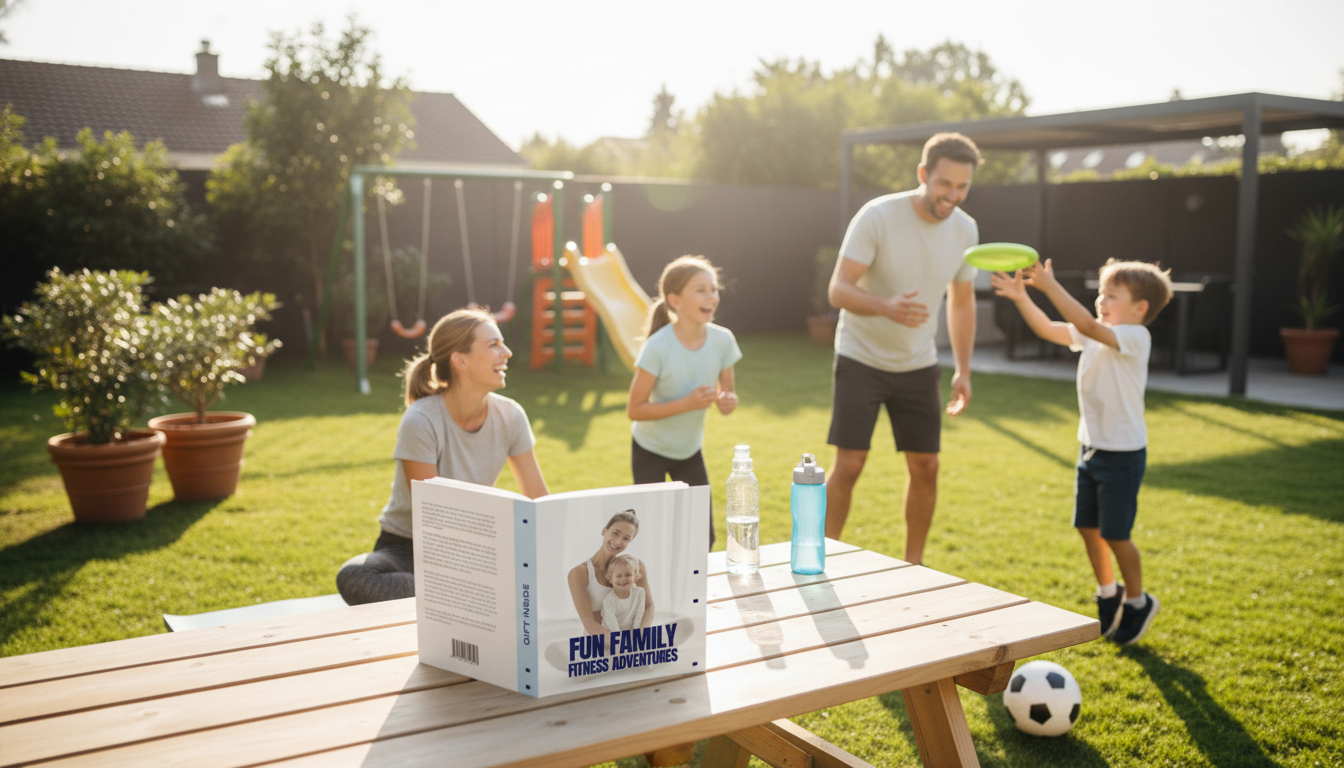
Weekend Warriors: Fun Family Fitness Adventures for Active Families
Family fitness works best when it feels like play, not a chore. With a little planning, weekends can become a simple rhythm of movement, fresh air, and shared wins—whether that means a neighborhood scavenger walk, a park circuit, or a low-cost “mini adventure” close to home. The goal isn’t a perfect workout; it’s an active tradition that fits your family’s ages, energy levels, and schedule.
What makes a weekend “fitness adventure” (and why it works)
A weekend fitness adventure is just structured enough to feel special—without turning into a project. A few ingredients make it click:
- Adventure mindset: a clear start and finish, a small goal, and a story (a route, a theme, or a mission).
- Built-in variety: mix endurance (walking/biking), strength (carry, climb, crawl), and mobility (stretching, balance).
- Low barriers: minimal equipment, easy to scale up or down in minutes.
- Connection over perfection: focus on participation, teamwork, and curiosity instead of performance.
If you want simple, ready-to-run missions and weekend plans, the Weekend Warriors: Fun Family Fitness Adventures | Easy Weekend Family Fitness Ideas Guide for Active Families is built for grab-and-go planning when you’d rather move than brainstorm.
Quick-start rules for picking the right activity
- Choose a “movement base”: walk, bike, swim, hike, playground time, or backyard games.
- Add one “challenge layer”: timed loop, points system, photo checklist, or a simple skill (balance beam, jump rope).
- Set a realistic duration: 20–40 minutes for younger kids; 45–90 minutes for mixed ages; longer only if everyone opts in.
- Use the 10-minute test: if enthusiasm drops, switch modes (walk → game → snack break → short sprint).
Activity picker by time, space, and energy
| If you have… | Try… | Make it more fun with… |
|---|---|---|
| 20–30 minutes + neighborhood | Scavenger walk or “choose-your-route” walk | Sticker map, photo bingo, “silent minute” nature listen |
| 45–60 minutes + park | Playground circuit + field games | 3-round relay, “coach for a minute,” points for teamwork |
| 60–90 minutes + trails | Easy hike or bike path cruise | Trail-themed mission: colors, shapes, animal tracks |
| Rainy day + indoor space | Hallway obstacle course or dance session | Playlist battle, timed stations, family “skills showcase” |
Easy weekend family fitness adventures (mix-and-match ideas)
Keep the template simple: movement base + mission + quick finish-line moment (high-five, photo, “team huddle,” or snack).
- Adventure walk themes: alphabet hunt (find letters on signs), color quest (snap photos of 10 colors), kindness walk (spot 5 ways to help someone).
- Park “strength safari”: rotate through push-ups on a bench, step-ups, bear crawls, and hanging holds; keep rounds short and playful.
- Backyard mini-triathlon: 5-minute bike/scooter, 5-minute run/walk, 5-minute bodyweight game (crab walks, hopscotch, balloon keep-up).
- Water day movement: pool laps mixed with games, water walking, or “float-to-kick” drills for beginners.
- Sports sampler: 10-minute stations (soccer dribble, basketball shots, frisbee throws) so everyone gets a turn at a preferred activity.
For families who like having a stack of missions ready (especially on busy weekends), Get the Weekend Warriors guide for ready-to-use family fitness adventure ideas and rotate them like a menu.
Age-friendly adaptations that keep everyone included
- Toddlers/preschool: short bursts, simple rules, and “follow the leader” movements (tiptoe, stomp, jump, wiggle).
- Elementary kids: missions, scorecards, and skill challenges (balance, coordination, short sprints).
- Tweens/teens: build autonomy—let them design one station, pick the playlist, or lead the route for a segment.
- Mixed ages: pair older kids with younger “teammates,” use time-based goals (move for 2 minutes) rather than rep-based goals.
- Adults: scale intensity by pace, incline, or added load (backpack carry) while regrouping at breaks.
Safety, comfort, and pacing (so the weekend stays fun)
Comfort helps consistency. If your crew’s shoes tend to get funky after active weekends, the Odor-Free Shoes Checklist | Easy Guide on How to Remove Odor from Shoes Naturally | Printable Shoe Care Checklist is a quick, practical add-on to keep gear more pleasant between adventures.
A ready-to-use weekend plan (repeatable and flexible)
Sample “Weekend Warriors” schedule
| Day | Main activity | Add-on challenge | Total time |
|---|---|---|---|
| Saturday | Neighborhood adventure walk | Photo scavenger mission (10 items) | 35–60 minutes |
| Saturday (optional) | Playground circuit | 3 rounds: climb + step-ups + short sprint | 15–25 minutes |
| Sunday | Indoor obstacle course | Timed stations + family dance cooldown | 25–45 minutes |
| Sunday (optional) | Mobility and stretch game | “Reach for the stars” + balance poses | 10–15 minutes |
Turning movement into a family tradition
For additional guidance on healthy activity habits, see the CDC’s Physical Activity Guidelines overview, the American Academy of Pediatrics healthy active living resources, and the WHO physical activity fact sheet.
FAQ
How much activity should kids and adults aim for on weekends?
A good target is to build toward widely used guidelines: kids often do best with about an hour of activity a day, while adults aim for around 150 minutes a week of moderate activity (plus some strength work). On weekends, multiple short bouts count—consistency and enjoyment matter more than hitting a perfect number.
What are easy indoor family fitness ideas for rainy or cold weekends?
Try a hallway obstacle course (pillows to step over, tape “balance lines”), dance sessions, timed station circuits (jump rope, wall sits, crab walks), balloon keep-up, or indoor relays with safe objects like soft socks. Scale by time (30 seconds vs. 2 minutes) and simplify rules for younger kids.
How can a family stay active when everyone has different fitness levels?
Use time-based intervals and stations so everyone moves together but at their own pace (for example, 2 minutes walking fast, then 1 minute easy). Pair older kids with younger teammates, offer choice-based stations, and regroup often for water breaks so nobody feels left behind.










Leave a comment