Choose the Right Robot Vacuum: A Smart Cleaning Guide
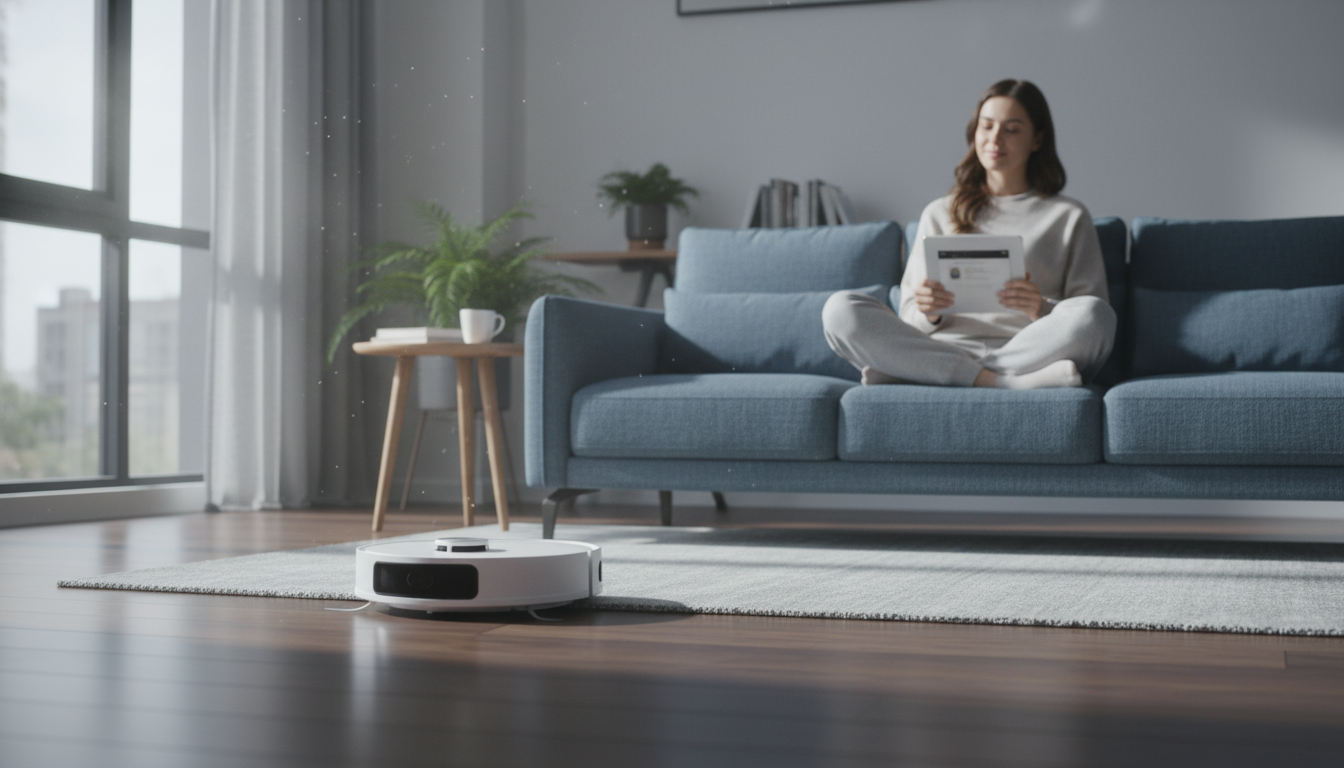
Smart Cleaning: Choosing Your Robot Vacuum Guide — A Practical Way to Pick the Right Model
Robot vacuums can be a real upgrade to everyday life—until the wrong one stalls on thresholds, scatters pet hair, or spends an hour “exploring” while missing the corners. The smartest purchase starts with your home, not a spec sheet. Use the steps below to measure what actually matters (floors, layout, and mess), understand which features make a difference, and avoid paying extra for add-ons that won’t improve results. For more guidance, see I’ve Tested More Than 20 Robot Vacuums. These Are the Best..
Start With Your Home: Floors, Layout, and Daily Mess
Before comparing brands, take five minutes to do a quick home audit. It’s the fastest way to narrow choices and prevent the classic “it works great for other people” disappointment. For further reading, see Best Robot Vacuum of 2026: Shark, Eufy | WIRED.
- Identify floor types by room: hard floors, low-pile carpet, plush carpet, area rugs, and any thresholds between them.
- Mentally map your layout: narrow hallways, open-plan spaces, lots of chair legs, and rooms that collect clutter.
- Write down your mess profile: dust, crumbs, long hair, pet hair, litter tracking, and busy entryways.
- Decide on your cleaning rhythm: daily runs vs. a few times per week, and whether noise matters during calls, naps, or evenings.
Quick Match: Home Conditions → Robot Vacuum Features
| Home condition | Look for | Why it helps |
|---|---|---|
| Mostly hard floors | Soft roller/brush + strong edge cleaning | Better pickup along baseboards and on smooth surfaces |
| Lots of rugs/thresholds | Higher ground clearance + good obstacle crossing | Reduces getting stuck and incomplete runs |
| Pet hair (shed + long hair) | Tangle-reducing brush design + easy bin access | Cuts down maintenance and keeps suction consistent |
| Cluttered rooms | Obstacle detection + reliable navigation | Avoids cables, toys, and missed areas |
| Allergies/dust sensitivity | Sealed filtration + auto-empty base (optional) | Less dust release and fewer bin dumps |
| Large home or multiple floors | Long runtime + multi-map support | Fewer pauses and easier room-to-room management |
Navigation and Mapping: The Difference Between “Wanders” and “Finishes”
Navigation style shapes your day-to-day experience more than most people expect. A robot that “gets there eventually” can still feel frustrating if it repeats paths, misses edges, or takes too long to finish a run.
- Random/bounce navigation can be fine for small, simple spaces, but it often revisits the same strips of floor while missing others.
- Systematic navigation with mapping typically cleans faster and more evenly—especially in larger homes and open-plan areas.
- Room-based control and no-go zones are practical wins for pet bowls, toy corners, charging cables, and delicate rugs.
- Multi-floor mapping matters if you carry the robot upstairs; saved maps reduce “re-learning” and keep clean patterns consistent.
When comparing models, look beyond “smart mapping” as a buzzword and focus on what the app actually lets you do: targeted room cleaning, zone clean passes for high-traffic spots, and reliable boundaries.
Suction, Brushes, and Pickup: What Matters More Than Big Numbers
Suction ratings can look impressive, but pickup performance is a system: brush design, airflow, bin design, and navigation consistency all contribute to what ends up in the bin.
- Brush design can matter as much as suction, especially for long hair and pet hair. A tangle-resistant roller can save time every week.
- Edge and corner cleaning depends on side brush quality and consistent wall-following—not just raw power.
- Carpet performance is often about agitation and repeatable cleaning lines. Stable, systematic passes can beat “high suction” that wanders.
- Bin size and bin removal change how often you’ll empty it and how likely you are to keep using the robot consistently.
If you want an objective lens when comparing performance claims, it helps to be aware of standardized testing efforts like ANSI/AHAM AC-7 (robot vacuum performance). For independent evaluations and buying considerations, Consumer Reports’ robot vacuum coverage is also a useful reference point.
Mopping Add-ons: Useful, but Only for the Right Expectations
Robot mopping can be a great “keep it fresh” tool, but it’s not a deep scrub replacement. The best results come from treating it as light maintenance—especially in kitchens and entryways.
Hands-Off Maintenance: Auto-Empty, Filters, and Hair Management
A Simple Buying Checklist (So the Choice Doesn’t Drag On)
Recommended Read: Smart Cleaning eBook for Choosing the Right Robot Vacuum
If you prefer a quick, step-by-step reference you can use while shopping, Smart Cleaning: Choosing Your Robot Vacuum Guide – The Ultimate eBook for Finding Your Perfect Robot Vacuum is built to match features to real home needs (floors, clutter, pets, maintenance tolerance) without getting lost in specs.
For another small “clean-living” win that pairs well with a tidy home routine, consider the Odor-Free Shoes Checklist | Easy Guide on How to Remove Odor from Shoes Naturally | Printable Shoe Care Checklist.
FAQ
Is a robot vacuum worth it if the home has mostly carpets?
Yes, but carpet results depend heavily on brush agitation, consistent navigation patterns, and how well the robot handles transitions and thresholds. Prioritize models known for strong carpet pickup and systematic mapping rather than relying on suction numbers alone.
What features matter most for pet hair?
Tangle-resistant brush design, steady suction under load, easy-to-clean rollers, and good filtration make the biggest difference. An auto-empty base can also reduce how often you have to empty the bin during heavy shedding seasons.
Do robot vacuums need mapping to work well?
Mapping isn’t mandatory for small, simple spaces, but it usually improves coverage and reduces missed spots. It also enables room targeting and no-go zones, which is especially helpful in larger or cluttered homes.











Leave a comment