Find Home Decor Dupes With AI: Budget Lookalikes That Last
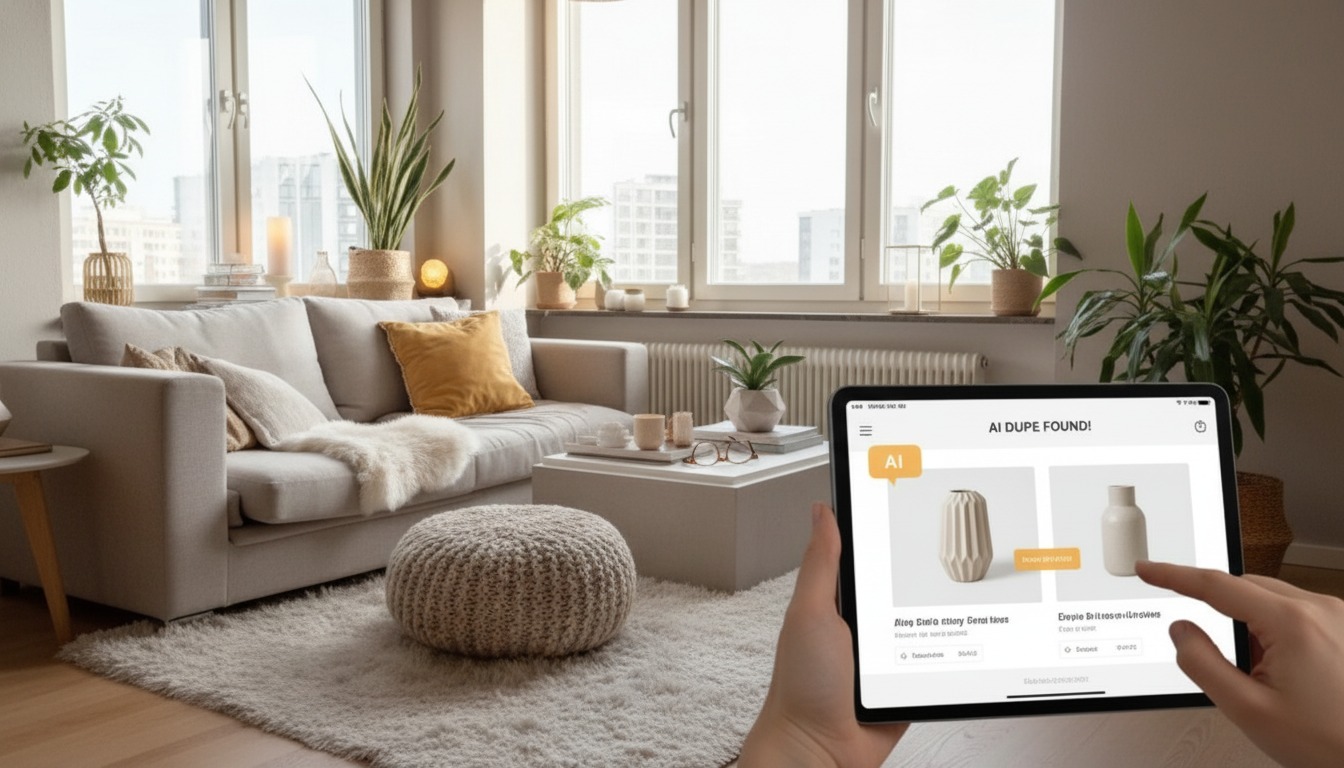
Smart Style: Finding Affordable Home Decor Lookalikes With AI
Designer-inspired decor can be achievable without the designer price tag. With the right AI-driven workflow, it becomes easier to identify the details that make a piece feel “high-end,” search for visually similar alternatives, and compare materials, dimensions, and reviews before buying. The goal is to match the vibe and function—while staying within budget and avoiding low-quality knockoffs.
What Makes a “Good Dupe” (and What Doesn’t)
A smart lookalike isn’t about copying a label—it’s about replicating the design impact. Before searching, decide what actually creates the “wow” factor for the original piece.
- Focus on shared design cues: silhouette, proportion, finish, color temperature, and texture (for example, brushed brass vs. polished gold).
- Prioritize functional match: size, storage capacity, light output (lumens), washability, and weight limits for furniture.
- Differentiate “inspired-by” from counterfeit: skip listings that use brand logos, model names, or misleading labels.
- Set a realistic list: pick 2–3 “must-match” traits and 2–3 “nice-to-have” traits to keep searches efficient.
The AI-Powered Dupe Workflow (From One Photo to Shortlist)
The fastest way to find a convincing alternative is to treat AI like a high-speed research assistant—then verify with specs and reviews.
- Start with a clean reference: use a product photo, screenshot, or listing image that shows the full shape and key details.
- Run an AI visual search: use image-based tools to pull up similar silhouettes and overall forms.
- Extract attributes with text AI: ask for design descriptors (shape, finish, era, materials) so you can search like a pro.
- Generate multiple search strings: mix style terms (mid-century, japandi, coastal), materials (oak veneer, boucle), and form factors (arched floor mirror, drum shade pendant).
- Iterate one variable at a time: adjust finish, size, leg shape, or shade diameter so results stay targeted.
- Build a shortlist of 5–10 options: then compare price, measurements, and shipping/return terms side-by-side.
Quick Comparison: Common AI Approaches for Finding Decor Alternatives
| Approach | Best For | What to Input | Pitfall to Watch |
|---|---|---|---|
| Visual search (image-based) | Matching shape and overall look | Clear photo/screenshot | May miss finish/material differences |
| Text AI for attribute extraction | Turning a look into searchable descriptors | Photo + request for attributes | Can hallucinate materials—verify |
| Hybrid (image + filters) | Narrowing by size, color, price | Image + store filters | Filters vary widely by retailer |
| Review summarization | Catching quality issues early | Listing reviews/specs pasted in | Summaries depend on review quality |
How to Describe Decor Like a Pro (So AI Finds Better Matches)
When results feel “almost right,” the issue is usually the description. Strong descriptors help AI—and store search bars—understand what matters.
- Use “noun + silhouette + material + finish”: “oval pedestal side table, travertine look, matte cream.”
- Add construction terms when relevant: solid wood, engineered wood, tempered glass, handwoven, powder-coated steel.
- Include dimension ranges: “under 32 inches wide,” “24–28 inch seat height,” “shade diameter 12–14 inches.”
- Call out the detail that sells the look: reeded fronts, scalloped edge, channel tufting, waterfall edge, tambour doors.
- Create a mini style dictionary: save 15–25 go-to descriptors that reliably match the aesthetic you’re building.
Where AI Helps Most: Lighting, Rugs, Wall Art, and Hardware
Some categories are especially “dupe-friendly” because the visual read carries most of the design impact—while specs are straightforward to confirm.
- Lighting: match shade shape, diffuser style, finish, and mounting type; confirm bulb base and maximum wattage.
- Rugs: match pattern family (Persian-inspired, Moroccan trellis, checkerboard), pile height, and fiber type; confirm return policy for color variation.
- Wall art: match palette and composition; look for print size options and framing details to avoid “tiny in real life” surprises.
- Hardware: match center-to-center measurements, finish tone, and style; order a single pull/knob to test color and feel before committing.
- Upholstery note: treat AI results as a shortlist only—fabric performance and cushioning need human verification via specs and reviews.
Quality Checks Before Buying Any “Lookalike”
A good lookalike holds up when the camera is off. Before hitting “buy,” run a quick quality filter so savings don’t turn into returns.
For general online shopping safety and scam awareness, review guidance from the Federal Trade Commission and Consumer Reports.
Ethical and Practical Boundaries (Inspired-By Without the Headache)
For a clear overview of what trademarks cover, the U.S. Patent and Trademark Office is a reliable reference point.
A Simple System to Track Finds and Finish a Room
Digital Guide: Step-by-Step Prompts, Checklists, and Examples
Smart Style: Using AI to Sniff Out Affordable Home Decor Dupes (Digital Guide)
Related download for keeping everyday spaces fresh once the room is styled: Odor-Free Shoes Checklist | Printable Shoe Care Checklist
FAQ
Which AI tools work best for finding home decor lookalikes?
Image-based visual search is best for matching silhouette and overall look, while text AI helps convert a “vibe” into strong keywords and filters. Using both together works best, but always confirm results with measurements, materials, and reviews.
How can a lookalike be checked for quality before buying?
Verify dimensions, materials, and construction details against the listing, then scan reviews for repeated issues like wobble, color mismatch, and poor finishing. Compare the true total cost (shipping and returns included), and order a sample or single piece first when possible.
Is it okay to buy “dupes” of expensive decor?
Inspired-by pieces are generally fine when they’re sold under their own identity and don’t misuse logos, trademarks, or brand names. Avoid counterfeit-style listings, and prioritize reputable sellers that describe items by style cues rather than borrowed branding.











Leave a comment