Hydrated, Glowy Skin: Barrier-First Routine + 14-Day Reset

Glow On: A Practical Path to Hydrated, Radiant Skin
Hydrated skin tends to look smoother, brighter, and more even—but “more moisture” is often confused with piling on thicker creams. A true glow comes from reinforcing your skin barrier, using humectants and occlusives strategically, and matching your routine to real-life factors like indoor air, sleep, and hydration habits. Below is a simple framework you can follow, plus a low-drama way to track progress with AI beauty tools without turning skincare into a full-time job. For more guidance, see Dermatologists Share the 8 Best Skincare Routine for Every Skin Type.
What “hydrated and radiant” really means
Radiance is less about shine and more about how evenly light reflects off your skin. When the surface is well-hydrated and calm, texture looks smoother and tone appears clearer.
- Hydration vs. oil: hydration is the water content in the outer layers of skin; oil (sebum) can add slip and shine, but it doesn’t automatically fix dehydration.
- Barrier function matters: a resilient barrier reduces transepidermal water loss (TEWL), helping skin hold onto water longer. The American Academy of Dermatology also emphasizes gentle cleansing and moisturizing habits for dry, uncomfortable skin (AAD dry skin guidance).
- Common signs of dehydration: tightness after cleansing, dull tone, makeup clinging to dry patches, and fine lines that look more noticeable as the day goes on.
- Why glow fades: harsh cleansers, over-exfoliation, dry indoor air, and inconsistent sunscreen can trigger irritation and uneven texture that visually “dims” brightness.
Quick Fix Map: Symptoms, likely cause, and the simplest adjustment
| What you notice | Likely driver | Simplest change to try |
|---|---|---|
| Tight skin after washing | Cleanser too stripping / hot water | Switch to gentle cleanser; lukewarm water; moisturize within 60 seconds |
| Dullness despite moisturizer | Dehydration + uneven texture | Add a hydrating serum (glycerin/HA) and reduce exfoliation frequency |
| Shiny but flaky | Compromised barrier + dehydration | Use barrier-supporting moisturizer; pause strong actives for 7–14 days |
| Fine lines look deeper by afternoon | Water loss during the day | Layer humectant + moisturizer; consider a light occlusive at night |
| Redness or stinging with products | Irritation/inflammation | Simplify routine; avoid fragrance/strong acids; patch test new steps |
A simple routine that builds hydration without heaviness
The most reliable “glow routine” is a calm, repeatable routine. Think layers that do different jobs rather than one miracle product.
Morning core
- Gentle cleanse or rinse: if you wake up dry or sensitive, a water rinse may be enough.
- Hydrating layer: look for glycerin, hyaluronic acid, or panthenol. Hyaluronic acid is widely used to support a plumper look by binding water on the skin’s surface (Cleveland Clinic overview).
- Moisturizer matched to your skin type: light gel-cream for oily/combo; richer cream for dry or compromised barrier.
- Broad-spectrum sunscreen: consistent SPF helps prevent uneven tone and the “dull” look that comes from ongoing inflammation.
Night core
- Cleanse: remove sunscreen and makeup thoroughly, without squeaky-clean tightness.
- Hydrating layer: reapply your humectant step.
- Targeted treatment (optional): only if your skin is comfortable—avoid stacking multiple strong actives at once.
- Moisturizer: seal in hydration.
- Optional occlusive: if you’re very dry or in a dry climate, a thin occlusive layer at night can reduce overnight water loss.
Ingredient role clarity: humectants pull water in, emollients smooth rough edges, and occlusives seal. The best results usually come from smart layering—not simply using a heavier product. Also, timing matters: applying moisturizer to slightly damp skin can improve water retention.
Hydration habits that show up on your face
- Steady intake beats big gulps: consistent hydration throughout the day supports overall fluid balance. The National Academies’ dietary reference intakes provide context on daily water needs and sources (NASEM water DRIs).
- Salt, alcohol, and caffeine: not automatically “bad,” but they can influence how you feel and look the next day—pair with water and prioritize sleep for a clearer, brighter appearance.
- Indoor air: heat and AC reduce humidity. If you wake up tight or flaky, consider a humidifier or a light occlusive at night.
- Training and sweat: cleanse soon after workouts and rehydrate to reduce irritation and congestion.
- Shower habits: long, hot showers can worsen dryness—keep it warm (not hot) and moisturize immediately after.
Nutrition for brightness: what to focus on (and what to skip)
Smart tracking with AI beauty tools (without obsessing)
A 14-day reset plan for dehydrated, dull skin
Digital picks to make glow routines easier
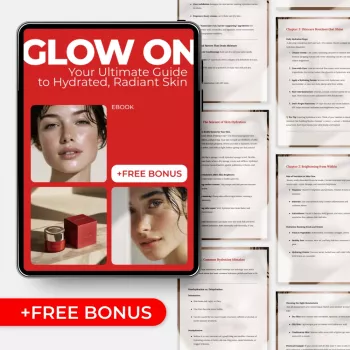
- Glow On: Your Ultimate Guide to Hydrated, Radiant Skin – Digital eBook (a structured, customizable system for barrier-first routines, hydration habits, nutrition basics, and smart AI tracking).
- Odor-Free Shoes Checklist | Printable Shoe Care Checklist (a simple, practical add-on for anyone building more consistent self-care routines day to day).
FAQ
Why does my skin look oily but still feel dehydrated?
Oil (sebum) can make skin look shiny while the surface is still low on water, especially if your barrier is disrupted. Focus on gentle cleansing, add a humectant layer (like glycerin or hyaluronic acid), and seal it with a moisturizer—without over-exfoliating.
How long does it take to see brighter, more hydrated skin?
Comfort and reduced tightness can improve within days, but visible texture and brightness trends usually take about 2–4 weeks of consistent routine and sunscreen. If you’re changing products, introduce one change at a time to see what actually helps.
Do AI skin analysis apps actually work?
They can help you track patterns in texture and tone if your photos are consistent, but they’re sensitive to lighting and can give a false sense of precision. Use them as guidance for routine decisions, not as a diagnosis.











Leave a comment